















































Introduction
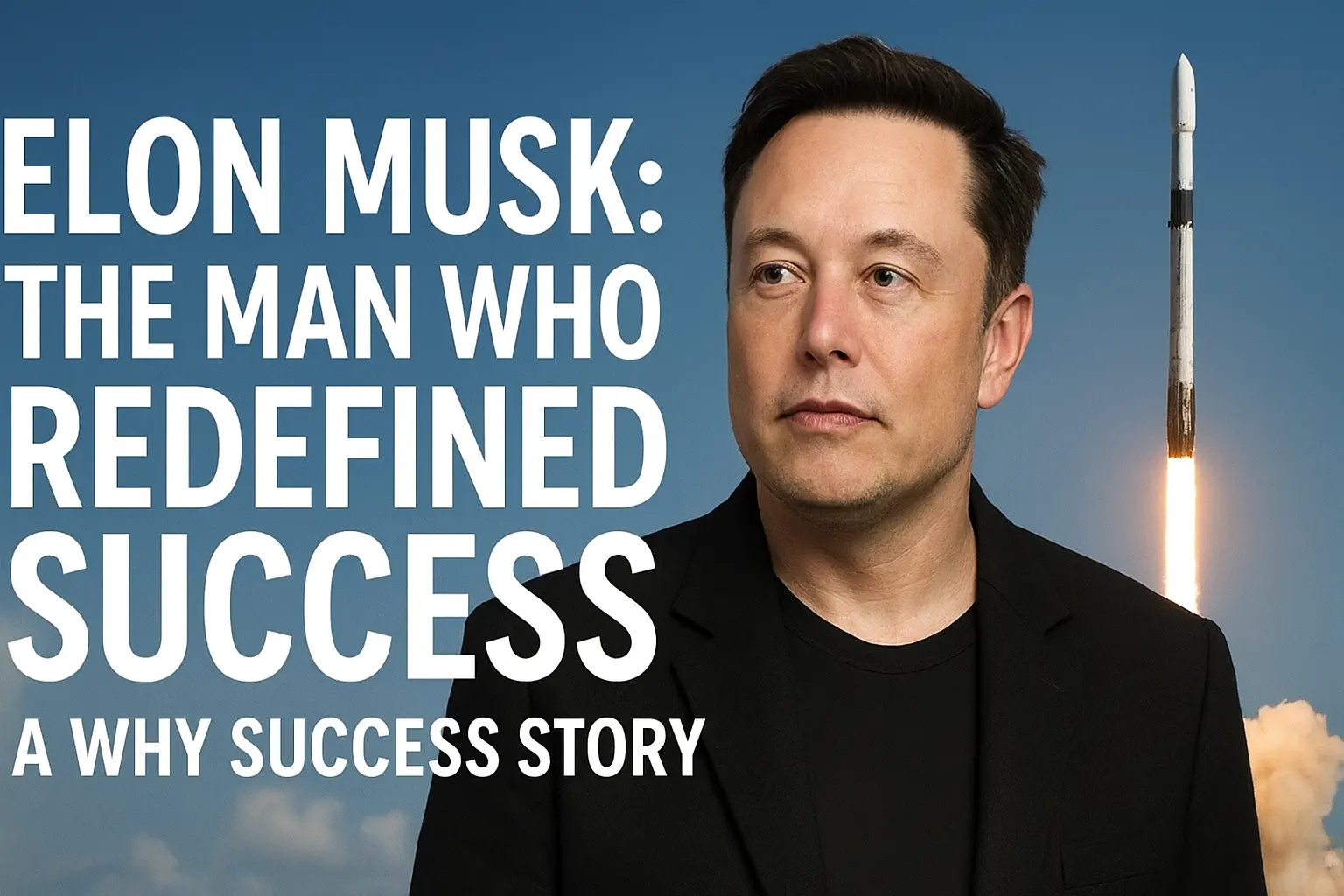
When we talk about success in the 21st century, few names shine as brightly as Elon Musk.The visionary entrepreneur behind Tesla, SpaceX, Neuralink, and The Boring Company, Musk represents the intersection of innovation, audacity, and purpose.
He isn’t just a billionaire or an engineer — he’s a dreamer who dared to make the impossible possible. From electric cars to rockets that return to Earth, Musk’s journey reflects not just success in business, but the power of belief, persistence, and purpose.
But what makes him truly successful? That’s what we’ll explore here, through the lens of “Why Success” — a philosophy that success isn’t luck or privilege, but a mindset, mission, and movement.
From Zip2 to Mars: The Journey of a Visionary
Elon Musk was born in Pretoria, South Africa, in 1971. From an early age, he showed a deep curiosity about how things worked — reading science fiction novels, tinkering with electronics, and learning computer programming on his own.
At 12 years old, he created and sold his first video game, Blastar, for $500 — a small glimpse into the genius to come.
In pursuit of bigger dreams, Musk moved to the United States, believing it was “the land of opportunity.”
He attended the University of Pennsylvania, earning degrees in both Physics and Economics, before launching into the world of entrepreneurship. His first major venture, Zip2, provided city guides for newspapers. In 1999, he sold it for nearly $300 million. He then founded X.com, an online financial platform that evolved into PayPal after merging with Confinity. In 2002, eBay acquired PayPal for $1.5 billion, and Musk earned around $180 million from the sale.
But instead of retiring in comfort, Musk did something few would dare: He reinvested almost all his fortune into his next ventures — SpaceX, Tesla, and later SolarCity, Neuralink, and The Boring Company.
- With Tesla, he disrupted the auto industry by proving that electric cars could be powerful, stylish, and desirable.
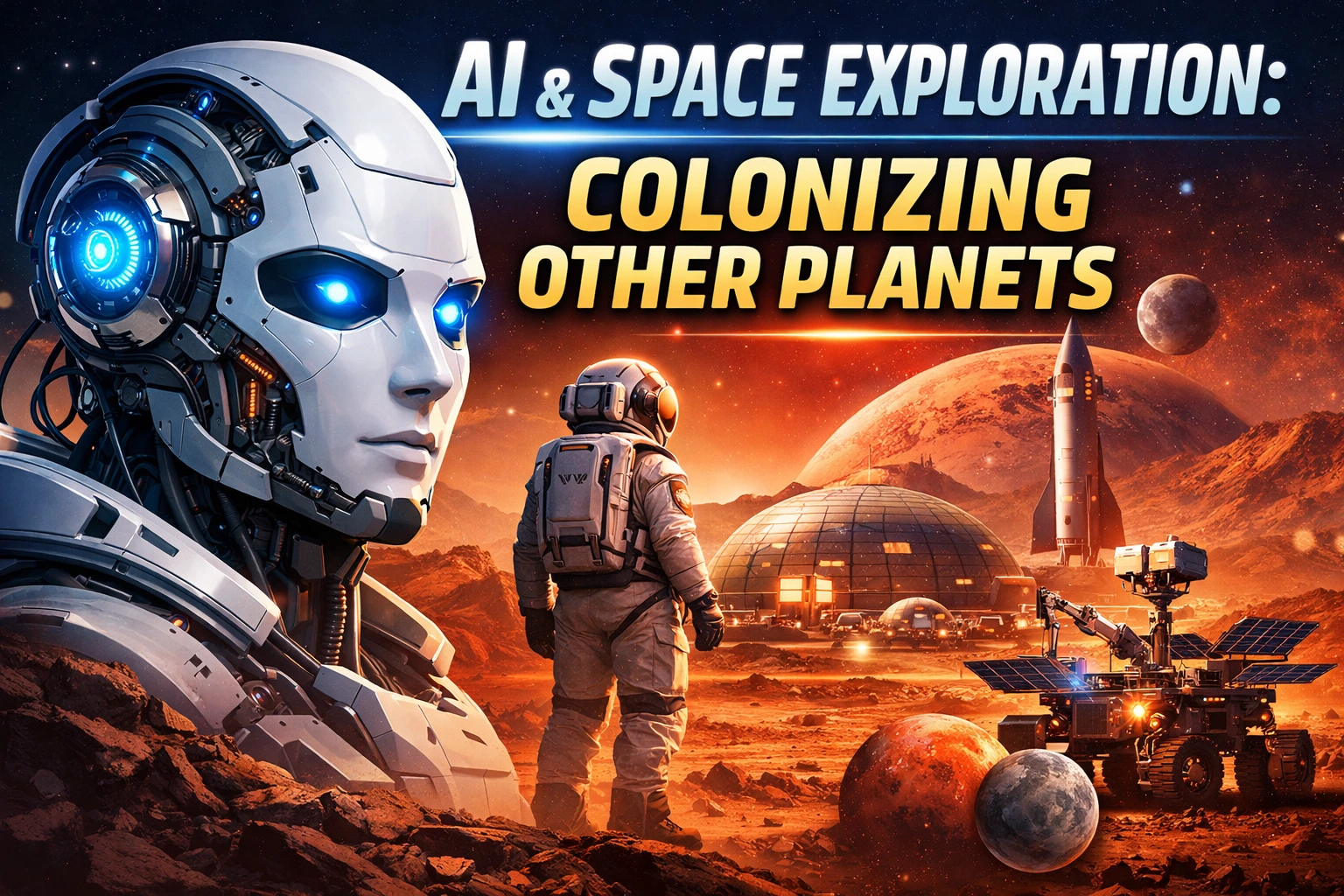
- With SpaceX, he made history by developing reusable rockets — cutting the cost of space travel and paving the way for Mars colonization.
- With Neuralink, he explored merging the human brain with artificial intelligence.
- With The Boring Company, he tackled traffic congestion by building underground tunnels for fast, low-cost transportation.
Each project reflected not just a business idea, but a global mission — to improve humanity’s future.
The “Why Success” Perspective: What Drives Elon Musk?
For Elon Musk, success isn’t measured in dollars, but in impact.
He once said:
“When something is important enough, you do it even if the odds are not in your favor.”
Through the lens of “Why Success,” Musk’s achievements are built on five timeless principles:
Purpose Over Profit
Musk’s ventures aim to solve real-world problems — sustainable energy, space exploration, and human advancement — rather than just maximize revenue.
His purpose is simple yet powerful: to secure the future of humanity.
Relentless Work Ethic
Elon is known for working 80–100 hours a week, often sleeping on the factory floor to stay close to production. To him, comfort is the enemy of innovation. He believes breakthroughs come from obsession, not balance.
Fearless Risk-Taking
After selling PayPal, Musk risked nearly everything he had to fund Tesla and SpaceX — both of which were on the verge of collapse at one point. While most people would retreat, he doubled down.
That fearlessness defines his success.
Long-Term Vision
Where most companies chase quarterly profits, Musk thinks in decades.
He envisions a future where humanity becomes a multi-planetary species, where clean energy powers the world, and where artificial intelligence benefits, not threatens, humankind.
He doesn’t just dream big — he builds the path toward it.
Resilience Against All Odds
Failure has followed Musk — from exploding rockets to production delays to public criticism. But every setback became a stepping stone. Resilience isn’t just a trait for him — it’s a philosophy.
That’s Why Success happens: because the truly great don’t seek applause — they seek progress.
Lessons from Elon Musk for Your Own “Why Success” Journey
| Musk’s Trait | Your Takeaway |
| Visionary Thinking | Don’t follow trends — create them. |
| Work Discipline | Hard work compounds faster than talent. |
| Calculated Risk | Fear less, plan more, act boldly. |
| Learning Mindset | Every mistake hides a lesson. |
| Impact Focus | Success that changes lives lasts forever. |
Each of these lessons forms the foundation of the Why Success philosophy: Success isn’t about what you achieve — it’s about who you become in the process.
Final Thoughts: Why Success Means Daring to Dream Bigger
Elon Musk’s story isn’t just about rockets, cars, or billions — it’s about belief. He believed in electric mobility when the world mocked him. He believed in colonizing Mars when people doubted Earth’s sustainability. He believed in pushing limits when everyone else played it safe. That’s what “Why Success” truly stands for:
Success starts where fear ends. It’s not about luck, fame, or money — it’s about that inner fire that refuses to quit. So, next time you think your dreams are too big — remember Elon Musk. He didn’t aim for the stars. He aimed beyond them.
Why Success — The Bigger Picture
“Why Success” isn’t just a question; it’s a movement.
It’s about understanding the inner drive of extraordinary people who transform their vision into reality.
Through stories like Elon Musk’s, we learn that success is not a destination — it’s a lifelong pursuit of purpose. Because in the end, the why behind success is what makes it truly meaningful.
🔖 Quote to Remember
“Failure is an option here. If things are not failing, you are not innovating enough.”
— Elon Musk

[…] 3. Elon Musk’s Early Career and First Business Ventures […]