Physical Address
Mumbai, Maharashtra - 400037

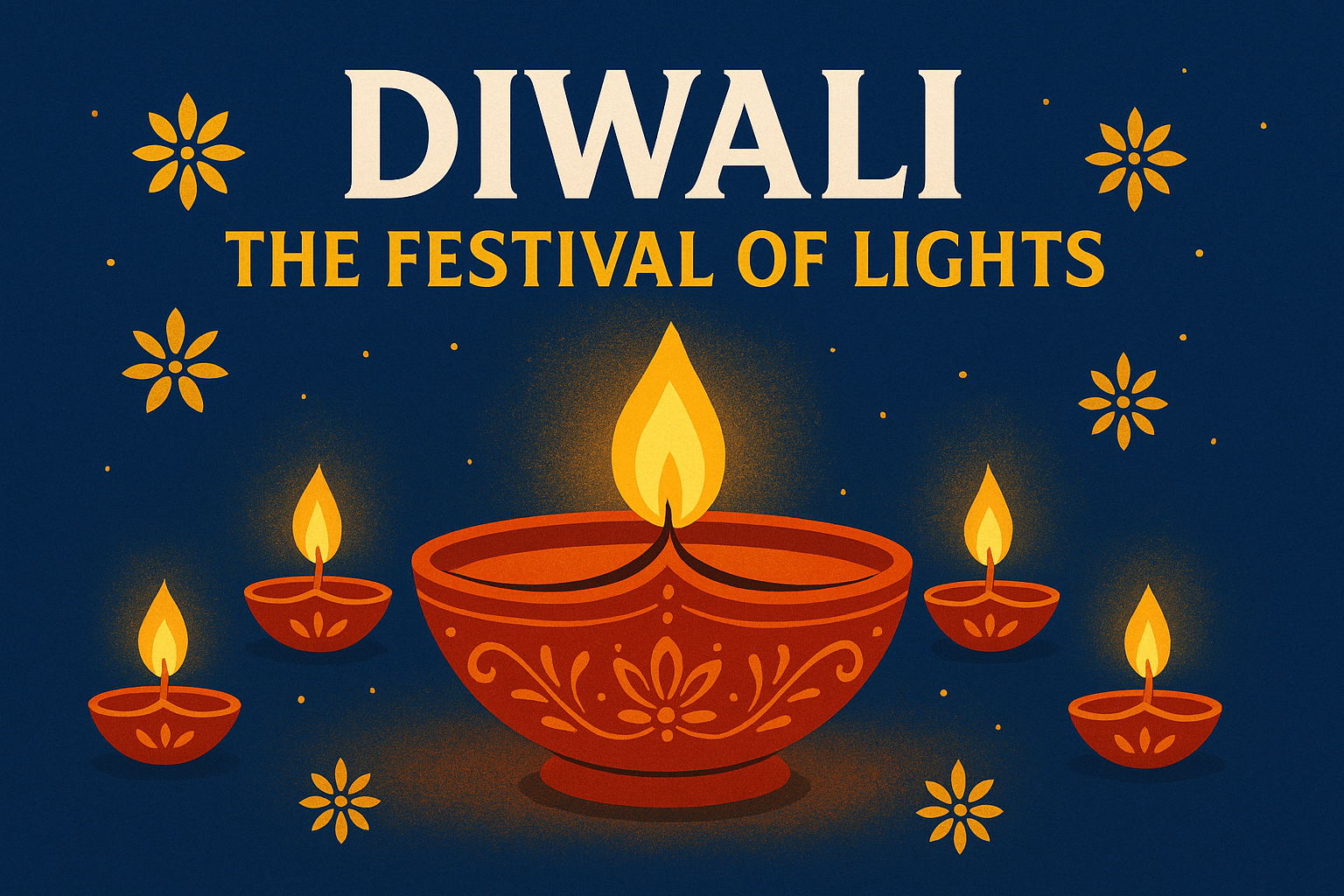
Diwali, also known as Deepavali, is one of the most vibrant and widely celebrated festivals in India. It is a time when people come together to celebrate the victory of light over darkness, knowledge over ignorance, and good over evil. The word Deepavali originates from Sanskrit, meaning “a row of lamps.” True to its name, the festival is marked by millions of flickering diyas (earthen lamps) that illuminate homes, streets, and hearts across the nation.
Celebrated with immense joy and enthusiasm, Diwali transcends religions and regions, uniting people in a shared spirit of happiness, love, and prosperity.
Diwali’s significance is rooted in history and mythology, and its meaning varies across different parts of India — yet every version symbolizes the triumph of righteousness.
Though stories differ, the central message remains universal — the victory of good over evil and light over darkness.
Weeks before Diwali, homes and hearts begin to prepare for the festivities. Families engage in deep cleaning, renovation, and decoration, believing that Goddess Lakshmi, the goddess of wealth and prosperity, visits only clean and welcoming homes.
Markets are filled with the buzz of shoppers buying new clothes, sweets, diyas, and gifts. Colorful lanterns, decorative lights, and vibrant rangoli powders fill the stalls. The excitement is contagious — as every street corner glows with anticipation for the festival of joy.
Diwali is not just a one-day festival — it unfolds beautifully over five auspicious days, each with its own customs and meaning.
The festival begins with Dhanteras, a day considered highly auspicious for buying gold, silver, and new utensils. It is believed that these purchases bring prosperity and good fortune into the household.
This day commemorates Lord Krishna’s victory over the demon Narakasura. People light diyas, decorate their homes, and prepare sweets as the excitement builds for the main celebration.

The most important day of the festival. Families worship Goddess Lakshmi and Lord Ganesha in the evening, seeking blessings for wealth, wisdom, and happiness. Homes sparkle with lights, diyas, candles, and electric decorations. The night sky comes alive with fireworks, symbolizing the joy of victory and the dispelling of darkness.

The fourth day honors Lord Krishna, who lifted the Govardhan Hill to protect the villagers of Vrindavan from torrential rains sent by Indra, the rain god. Devotees prepare special food offerings and express gratitude for nature’s bounty.
The final day of Diwali celebrates the sacred bond between brothers and sisters. Sisters pray for their brothers’ long lives and happiness, and in return, brothers give gifts and tokens of affection.
Diwali is a sensory delight filled with colors, flavors, and sounds.
Beyond its religious and cultural aspects, Diwali carries a deeper social message. It fosters unity, compassion, and generosity — reminding us to let go of negativity and embrace positivity.
Businesses often mark Diwali as the beginning of a new financial year, praying for success and prosperity. It’s also a time when communities come together, bridging social and cultural divides to celebrate joy, hope, and renewal.
Diwali is not just a festival; it’s a feeling of light, love, and renewal. It reminds us that no matter how dark the times may seem, the light of goodness will always prevail. As homes glow with diyas and hearts with happiness, Diwali teaches us to share joy, forgive, and start anew.
Indeed, Diwali is a celebration of life, hope, and the eternal power of light — a reflection of India’s rich culture, unity, and spiritual wisdom.



[…] Read more […]