Physical Address
Mumbai, Maharashtra - 400037

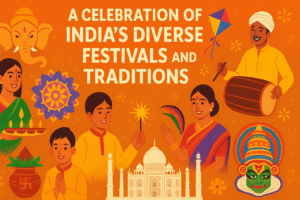
India is a country of diverse cultures and traditions, and this is reflected in the many festivals that are celebrated throughout the year. Each festival has its own unique significance and is celebrated in its own way. In this article, we will take a look at some of the top Indian festivals and how they are celebrated.

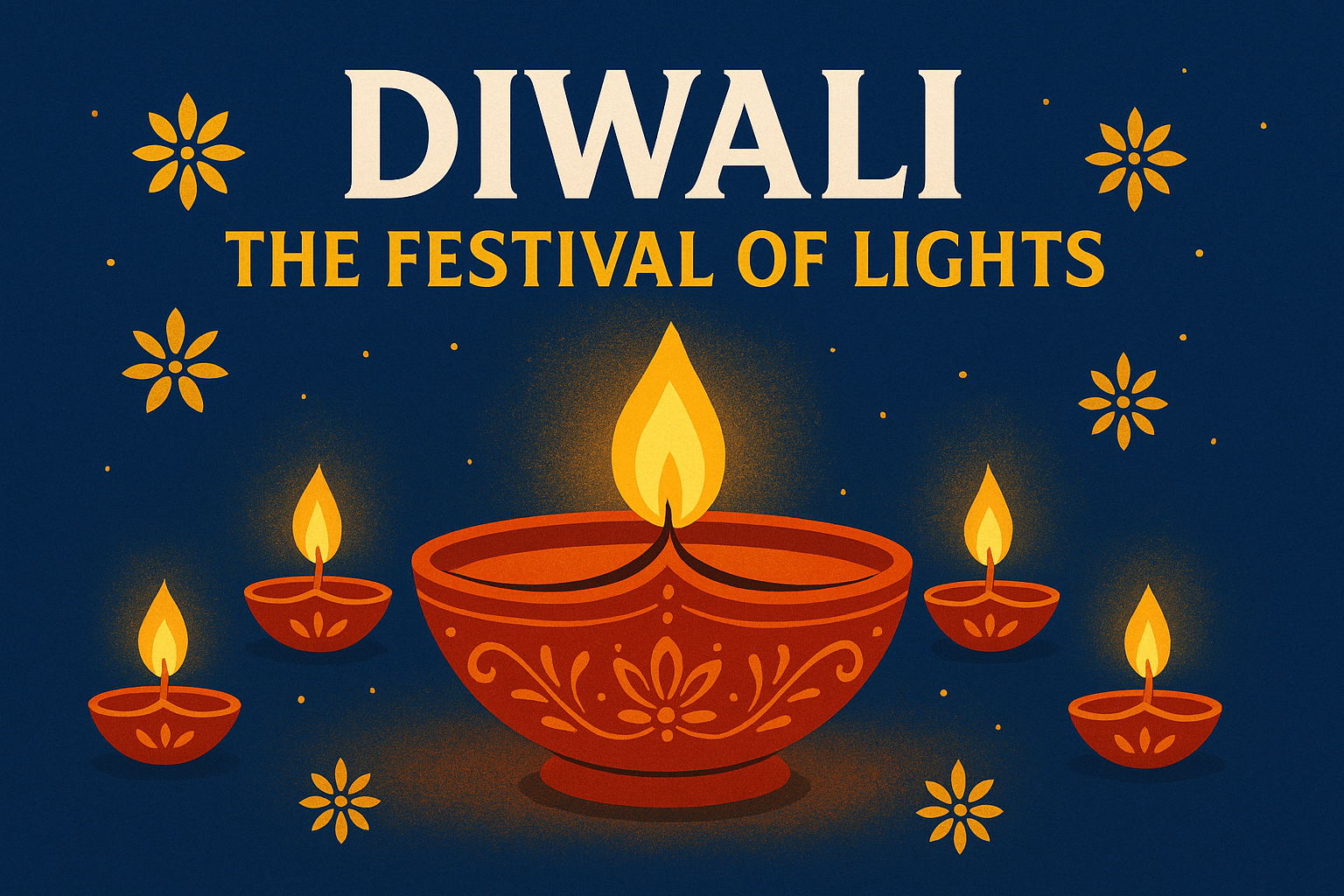
Diwali, also known as the Festival of Lights, is one of the most popular festivals in India. It is celebrated in October or November and marks the victory of good over evil. People light up their homes with diyas (oil lamps) and colorful lights, and the streets are decorated with rangolis (colorful designs made with powdered colors) and other decorations. Fireworks are also a big part of the celebrations. People exchange sweets and gifts with their friends and family and also prepare a variety of special dishes.

Holi is a festival of colors that is celebrated in March. It is a celebration of spring and is known for its playful nature. People throw colored powder and water at each other, dance to music, and enjoy traditional sweets and snacks. It is also common for people to drink bhang, a drink made with cannabis, during Holi.
Dussehra is a festival that celebrates the victory of Lord Rama over the demon king Ravana. It is celebrated in September or October and is a ten-day festival. The last day of the festival is known as Vijayadashami, which marks the day when Lord Rama defeated Ravana. On this day, people burn effigies of Ravana, signifying the victory of good over evil.
Eid al-Fitr is a Muslim festival that marks the end of Ramadan, the month of fasting. It is celebrated with great joy and enthusiasm in India. On this day, people wear new clothes and visit mosques to offer prayers. They also exchange gifts and sweets with their friends and family.
Christmas is celebrated in India by the Christian community in December. It is a time for family gatherings, gift-giving, and feasting. Churches are beautifully decorated, and people sing carols and attend midnight mass. In some parts of India, such as Goa, Christmas is also celebrated by non-Christians.
Ganesh Chaturthi is a ten-day festival that celebrates the birth of Lord Ganesha, the Hindu god of wisdom and prosperity. It is celebrated in August or September and is particularly popular in the state of Maharashtra. People create clay idols of Lord Ganesha and install them in their homes or in public pandals (tents). On the last day of the festival, the idols are taken in processions to be immersed in water, symbolizing the return of Lord Ganesha to his abode.
Onam is a ten-day harvest festival that is celebrated in the state of Kerala in August or September. It is a celebration of the return of the legendary King Mahabali, who is believed to have ruled Kerala in ancient times. People prepare elaborate meals, wear new clothes, and participate in traditional dances and games. The highlight of the festival is the Onam Sadya, a vegetarian feast served on banana leaves.
Navratri is a nine-day festival that celebrates the nine forms of the Hindu goddess Durga. It is celebrated in September or October and is particularly popular in the northern and western parts of India. During Navratri, people fast, dance to traditional music, and perform a special puja (worship) of the goddess. The last day of the festival, known as Dussehra, marks the victory of good over evil, symbolized by the defeat of demon Mahishasura by goddess Durga.
Raksha Bandhan is a festival that celebrates the bond between brothers and sisters. It is celebrated in August and involves the tying of a rakhi (a sacred thread) on the wrist of brothers by their sisters. The brothers, in turn, pledge to protect their sisters and give them gifts. It is a symbol of love and the special bond between siblings.
Eid al-Adha is another important Muslim festival celebrated in India. It marks the end of the Hajj pilgrimage to Mecca and commemorates the willingness of Prophet Ibrahim to sacrifice his son in obedience to Allah. On this day, Muslims offer prayers, sacrifice animals, and distribute the meat to the poor and needy. It is a day of feasting and celebration.
Makar Sankranti is a festival that marks the transition of the sun into the zodiac sign of Capricorn. It is celebrated in January and is a harvest festival in many parts of India. People fly kites, exchange sweets made from sesame seeds and jaggery, and take a dip in holy rivers. In some parts of India, it is also a day for making charitable donations.
Lohri is a Punjabi festival that celebrates the winter solstice. It is celebrated in January and is a time for singing and dancing around a bonfire. People also exchange sweets and other traditional foods, such as popcorn and peanuts.
These are just a few of the many festivals celebrated in India. Each festival has its own unique customs, traditions, and significance. Through these festivals, Indians celebrate their rich cultural heritage and come together to share joy, love, and happiness.
(adsbygoogle = window.adsbygoogle || []).push({});