Physical Address
Mumbai, Maharashtra - 400037

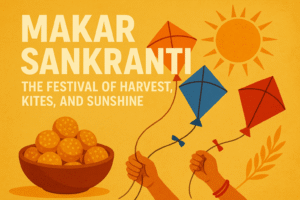
Makar Sankranti is one of the most celebrated harvest festivals in India, marking the transition of the Sun into the zodiac sign of Capricorn (Makara). It signifies the end of the chilly winter months and the beginning of warmer, brighter days.
As colorful kites fill the sky and the sweet aroma of sesame and jaggery fills the air, people across India come together to celebrate the spirit of new beginnings, gratitude, and sunshine. Makar Sankranti isn’t just a date on the calendar — it’s a festival that brings joy, warmth, and unity to millions.
Makar Sankranti marks the Sun’s northward journey, known as Uttarayan, a time believed to bring prosperity and positive energy. The festival usually falls on January 14th every year, though occasionally on the 15th, depending on the solar calendar.
Traditionally, this day celebrates the harvest season, when farmers reap their crops and thank the Sun God for his blessings. It also signifies the start of longer days — a moment that inspires hope, growth, and renewed energy.

India’s diversity shines beautifully through the many ways Makar Sankranti is celebrated across different regions:
Makar Sankranti is filled with beautiful customs that bring families and communities closer:

Beyond the rituals and feasts, Makar Sankranti carries a deep spiritual message. It represents the victory of light over darkness, knowledge over ignorance, and positivity over negativity.
As the Sun begins its northward journey, it symbolizes progress and spiritual enlightenment. The festival encourages people to let go of the past, embrace change, and welcome new opportunities with open hearts.
In modern India, Makar Sankranti is celebrated with both traditional enthusiasm and modern flair.
Families gather on rooftops for kite-flying competitions, while others enjoy community fairs, folk music, and festive foods. Social media gets filled with colorful photos, warm wishes, and cheerful videos of celebrations from every corner of the country.
Many people also take this opportunity to participate in eco-friendly events, promote sustainable celebrations, and extend help to those in need — spreading the true spirit of the festival beyond their homes.
Makar Sankranti is more than just a festival of harvest — it’s a celebration of light, gratitude, and togetherness. As kites soar high against the blue sky and the Sun shines brighter, the festival reminds us to rise above challenges and embrace positivity in every aspect of life.
☀️ May this Makar Sankranti bring warmth, happiness, and prosperity to you and your loved ones!
1. When is Makar Sankranti celebrated?
Makar Sankranti is celebrated every year on January 14th, though sometimes it falls on January 15th depending on the solar movement.
2. Why do people fly kites on this day?
Kite flying represents freedom and joy, and spending time under the Sun is believed to bring energy, good health, and positivity.
3. What are the traditional foods of Makar Sankranti?
Popular dishes include til-gur laddoos, khichdi, pongal, and various sweets made of sesame and jaggery that symbolize warmth and sweetness in relationships.
✨ Decorate your terrace or balcony with colorful kites and fairy lights.
🍬 Make homemade til-gur laddoos and share them with family and neighbors.
☀️ Spend some time in the sunlight for health and positivity.
💖 Donate clothes or food to spread warmth and happiness among those in need.