Physical Address
Mumbai, Maharashtra - 400037
Physical Address
Mumbai, Maharashtra - 400037

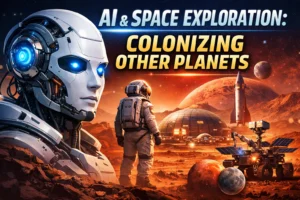
Space colonization is no longer just science fiction. With missions led by organizations like NASA, SpaceX, ESA, and ISRO, humanity is actively preparing for long-term settlements on the Moon and Mars.
However, before humans can live on another planet, Artificial Intelligence (AI) and autonomous robots must prepare the way.
In this article, we’ll explore how AI-driven robotics will make planetary colonization possible.

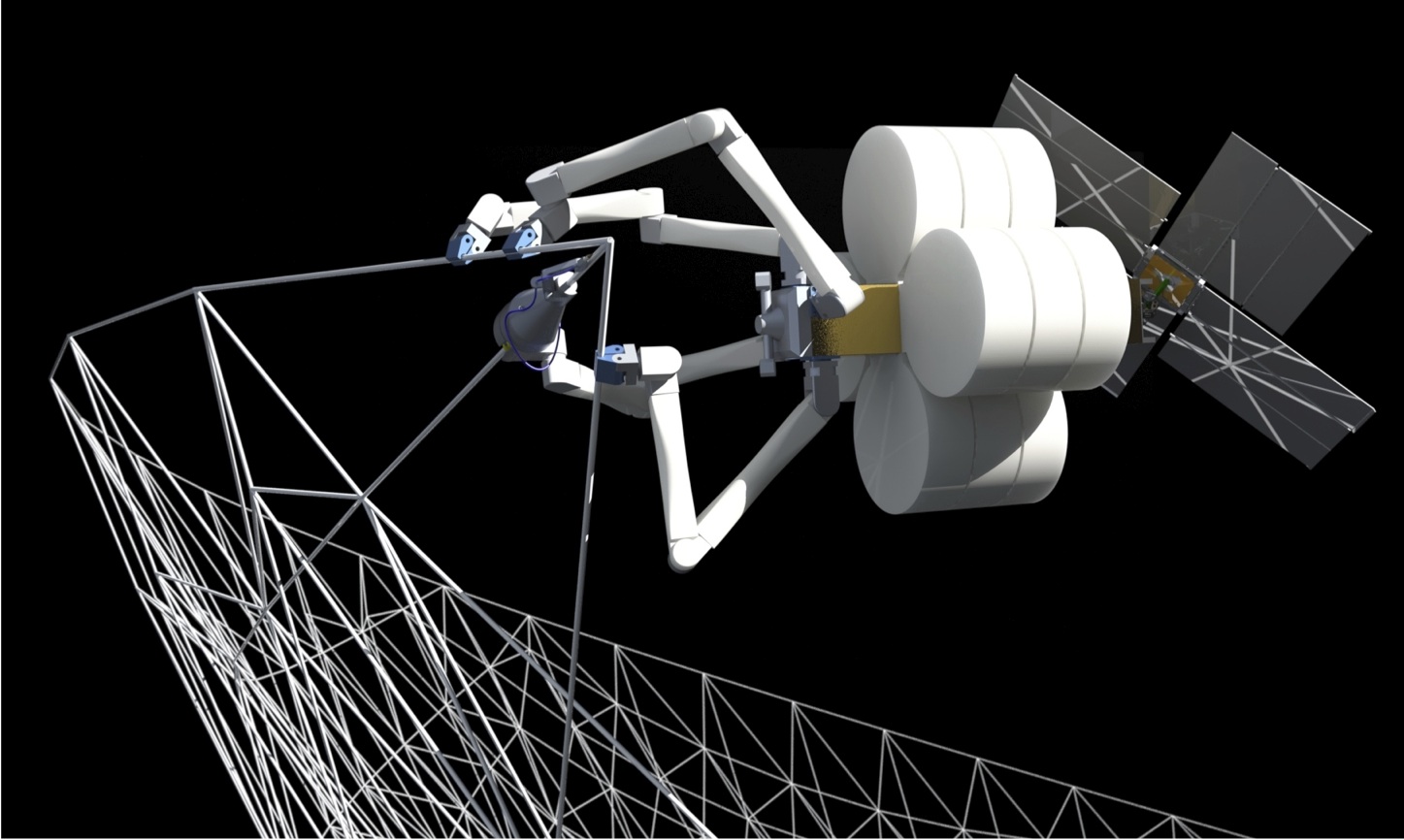
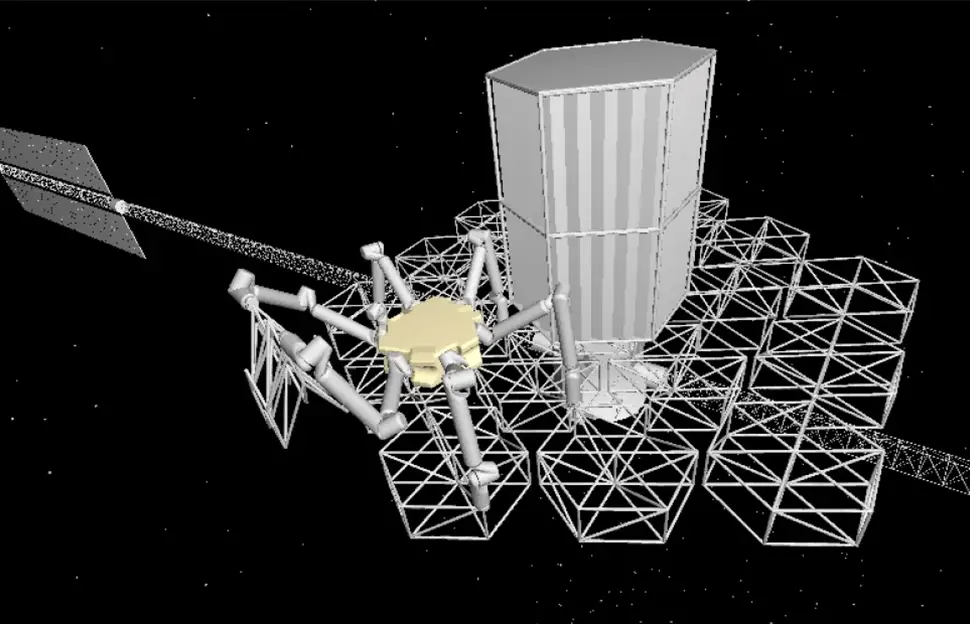
Space environments are extremely hostile:
Sending humans directly is expensive and risky. Robots:
That’s why robotic missions like Mars Perseverance Rover and Chandrayaan-3 are critical testbeds for future colonization.
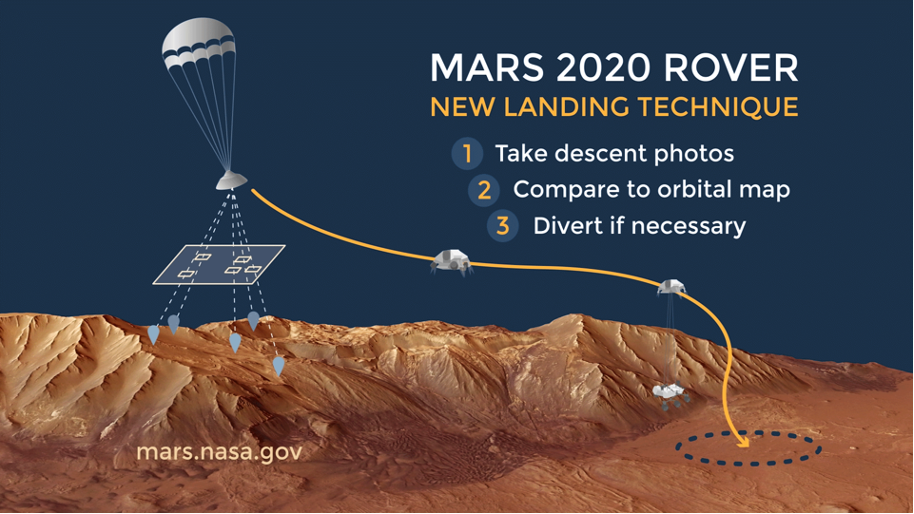


Before building habitats, we must understand the terrain.
AI systems help robots:
For example, Mars Reconnaissance Orbiter provides high-resolution imagery that AI models process to select future human landing sites.
Without AI, transmitting data to Earth for manual analysis would cause delays due to communication lag (up to 20 minutes one-way for Mars).


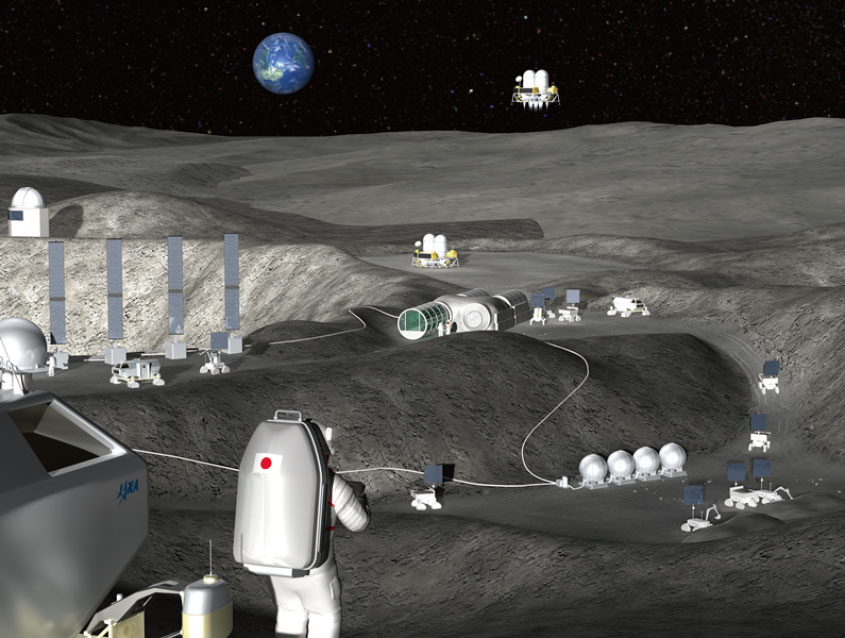

One of the biggest challenges: building infrastructure before humans arrive.
AI-controlled robots could:
NASA is researching autonomous 3D printing systems for off-world construction. Meanwhile, SpaceX aims to send cargo missions to Mars before crewed missions begin.
Future colonies may be built almost entirely by robotic systems.
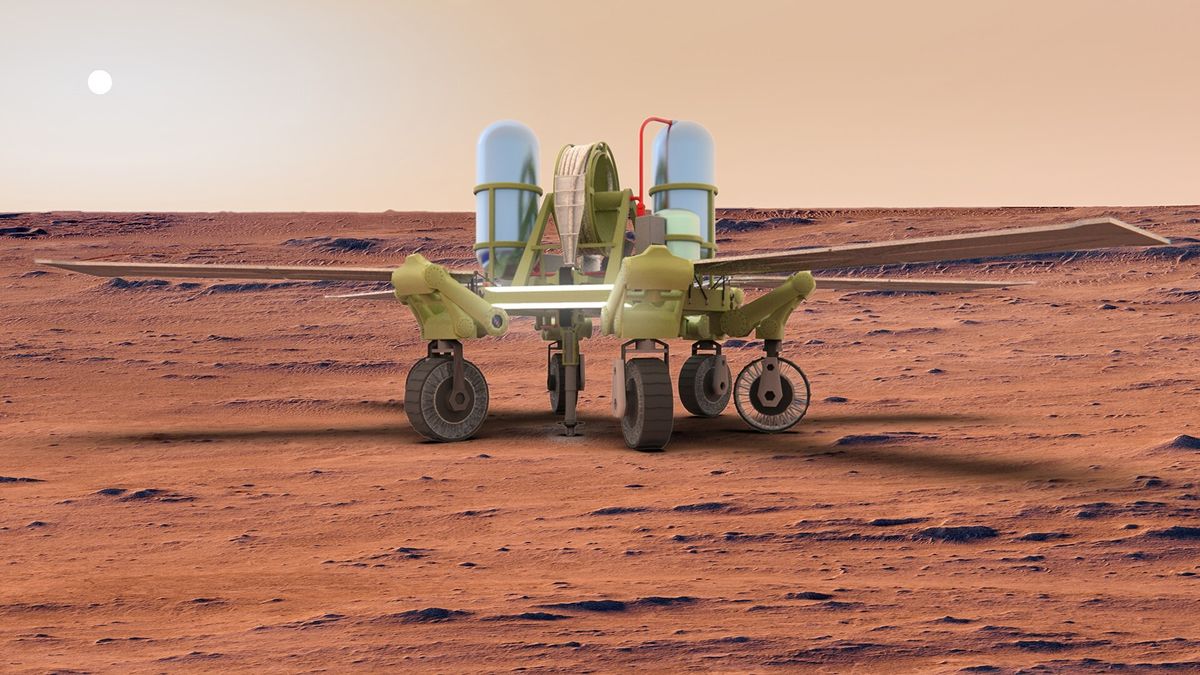

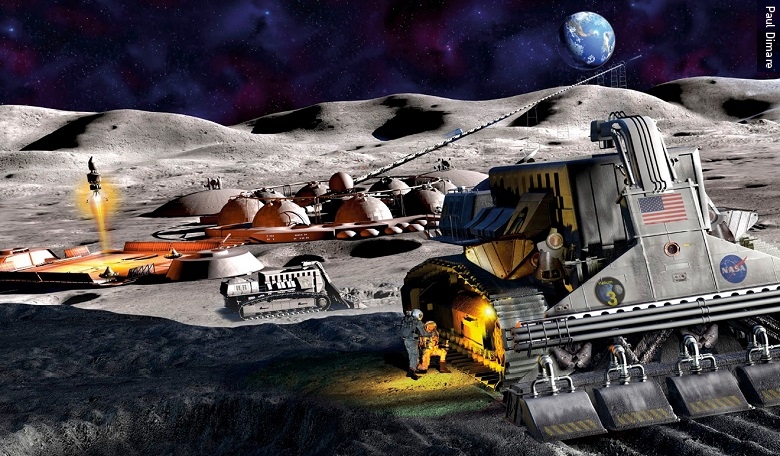
To survive, colonies must produce:
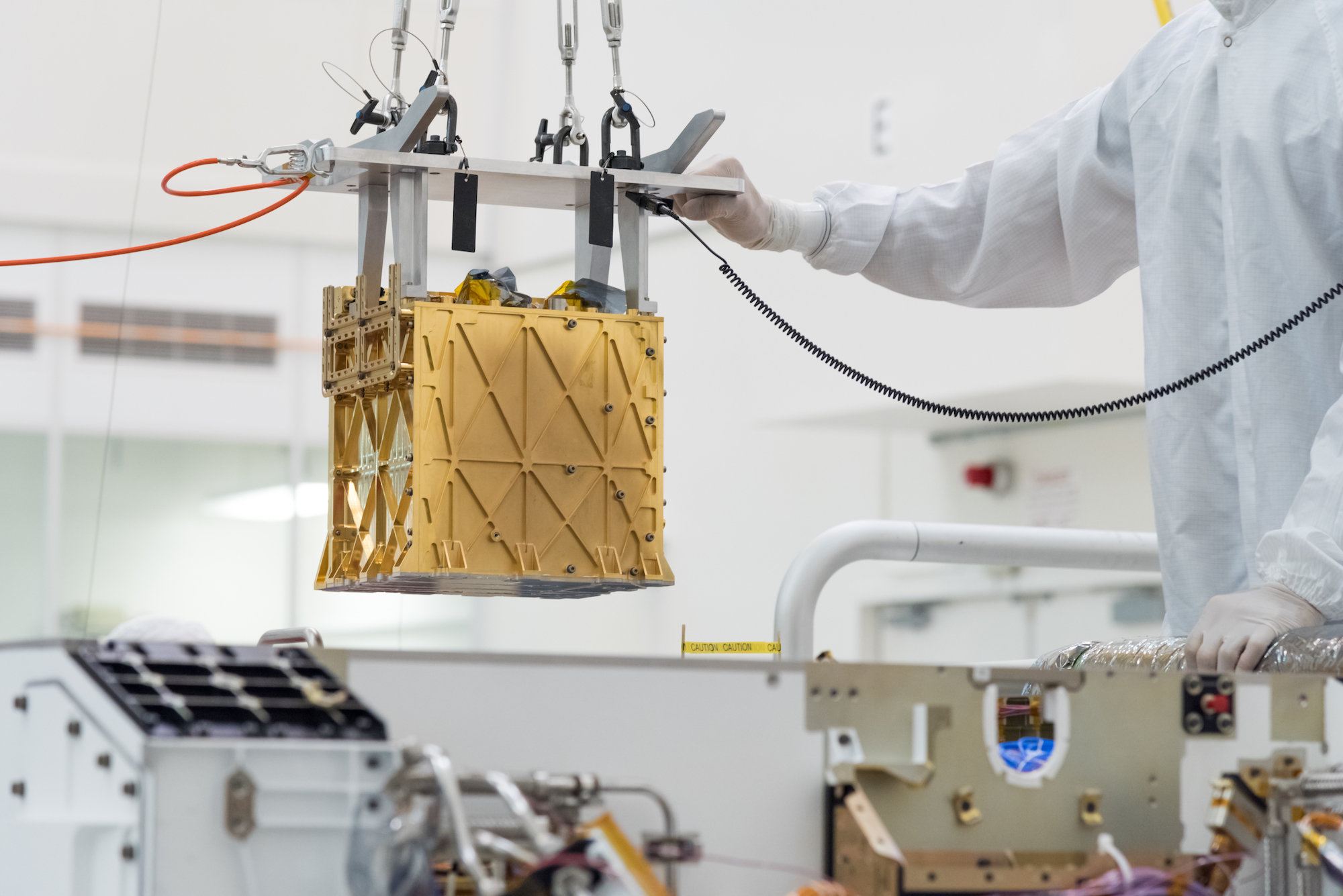
AI-powered robots will mine ice beneath the Martian surface and extract water. The MOXIE experiment aboard Mars Perseverance Rover successfully produced oxygen from Mars’ carbon dioxide atmosphere — a major milestone.
This concept is called In-Situ Resource Utilization (ISRU) — using local materials instead of transporting everything from Earth.
Once humans arrive, AI systems will act as:
Imagine a Mars colony where AI:
AI will function like a digital colony governor.
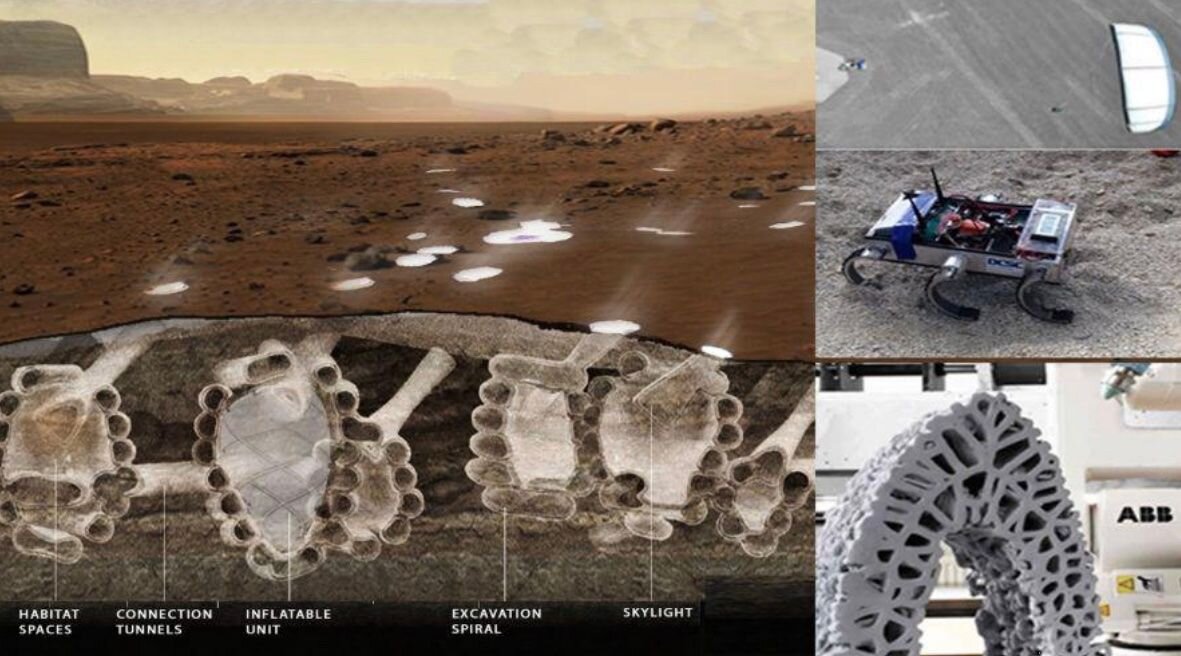
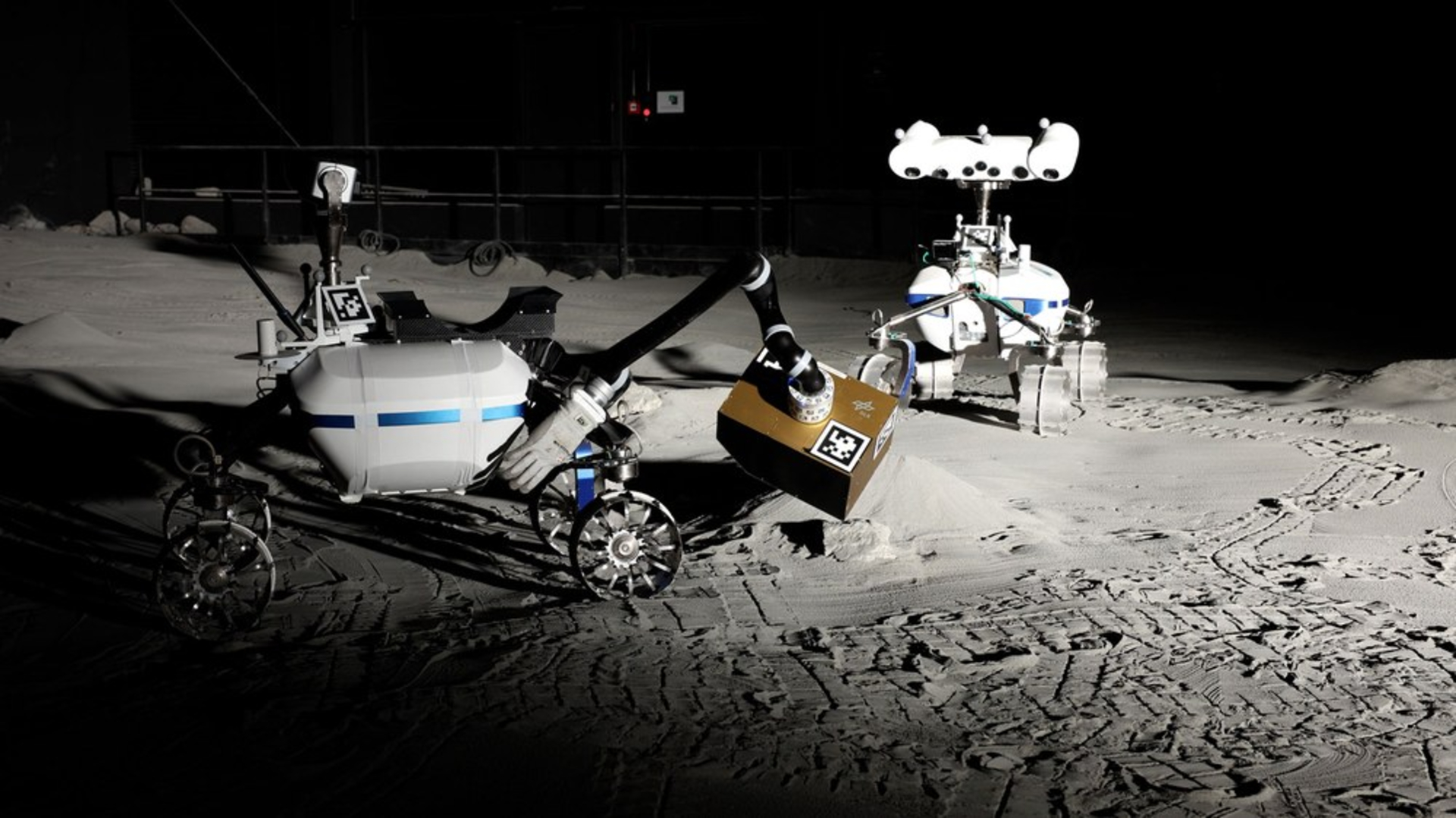
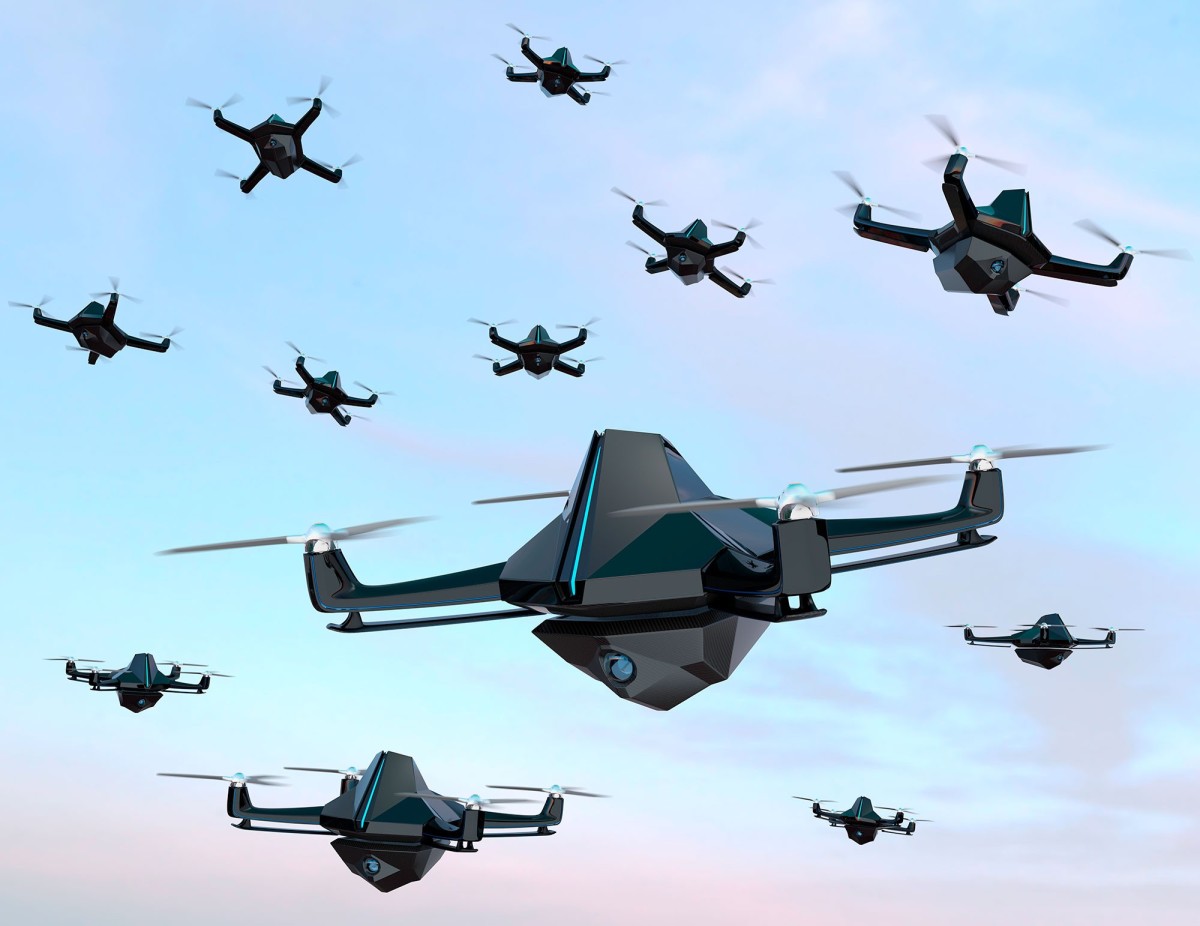
Instead of one large robot, future missions may deploy robot swarms:
Swarm intelligence allows robots to share data and adapt in real time — similar to ants building a colony.
AI won’t replace astronauts — it will enhance them.
Future astronauts may:
Organizations like ESA and NASA are already testing human-robot interaction models for deep-space missions.
While AI and robotics make planetary colonization technically feasible, several structural, engineering, and economic barriers remain. These are not minor hurdles — they are mission-critical constraints that determine whether a Mars or lunar colony can survive long term.
Let’s examine them in depth.
1. Energy Limitations in Extreme Environments
Energy is the backbone of any off-world settlement. Without reliable power:
On Mars, solar power is currently the most practical option. However:
Alternative solutions being researched include:
A colony must generate continuous, redundant power — not just daytime electricity.
2. AI Reliability & Autonomous Decision-Making
On Mars, communication delay with Earth ranges from 4 to 20 minutes one way. That means:
AI systems must operate with:
If an oxygen generator malfunctions, AI cannot wait for instructions from Earth. It must:
In deep space environments, AI becomes not just a tool — but an operational authority. Ensuring reliability under radiation exposure, hardware degradation, and extreme temperature swings is a major engineering challenge.
3. Maintenance, Wear & Self-Repair
Space is destructive to machines:
Unlike Earth, there are no repair supply chains on Mars. Every spare part must either:
Future robotic systems must include:
A failed construction robot could delay habitat deployment by months if redundancy isn’t built into the system.
Interplanetary missions are extremely capital-intensive. A single Mars mission can cost billions of dollars when factoring:
Sustained colonization requires:
Without a sustainable economic framework, even technologically successful missions may stall due to financial constraints.

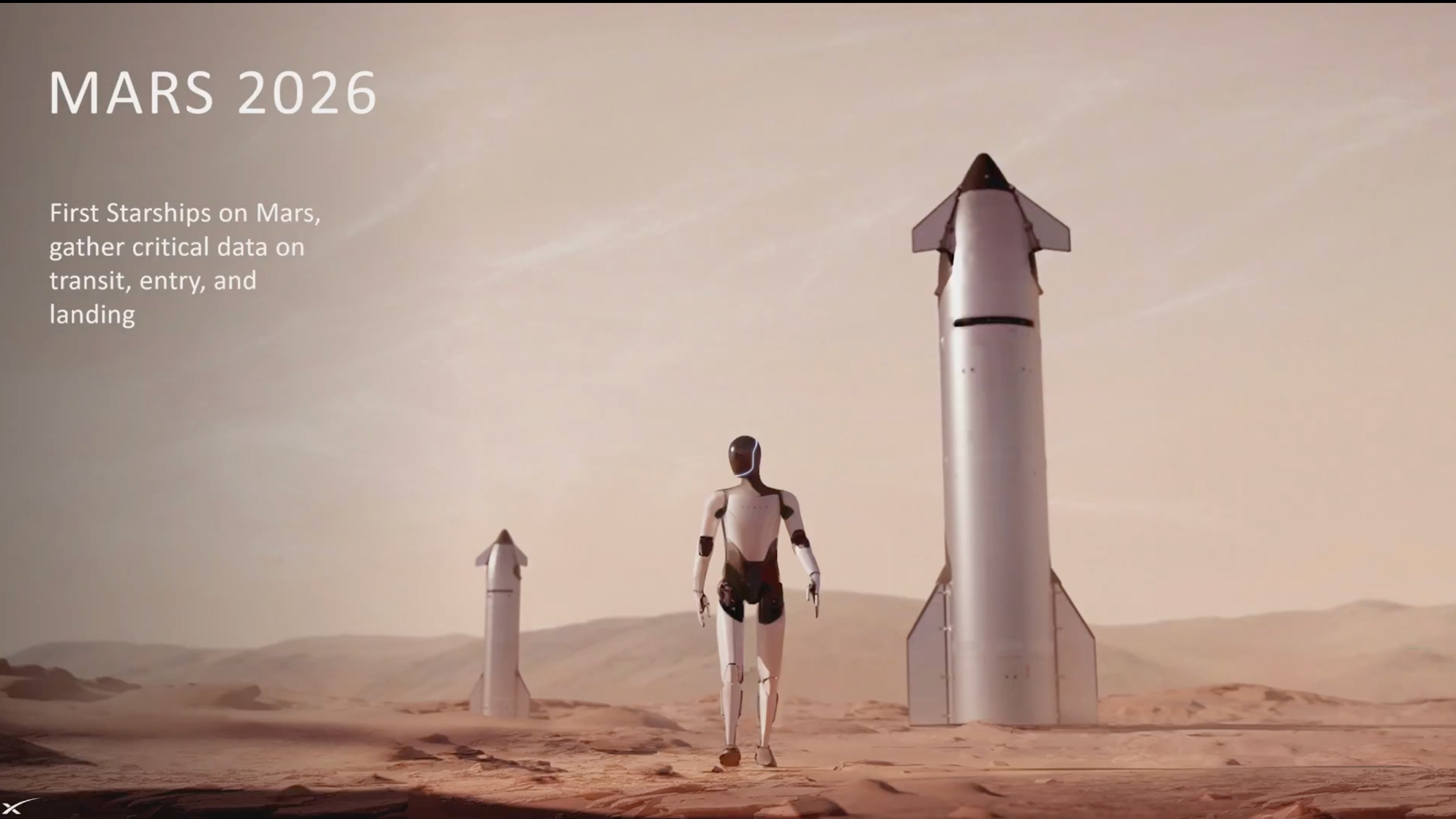

Upcoming plans include:
AI-driven robotics will likely:
Robots will be the pioneers, humans the settlers.
Colonizing other planets is one of humanity’s most ambitious goals. But without AI and intelligent robotics, it would remain impossible.
AI enables:
The future of space exploration is not just about rockets —
it’s about intelligent machines working alongside humans to expand civilization beyond Earth.