How to Develop Observation Skills in Nature
Observation is not just “seeing”—it’s a trained cognitive process involving attention, pattern recognition, memory, and interpretation. In nature, strong observation skills allow you to decode ecosystems, understand behavior, and predict changes.
This guide takes you from basic awareness to advanced naturalist-level observation.
How to Develop Observation Skills in Nature 1. Understand What “Observation ” Really Means Observation in nature has 3 layers :
Perception – What you see, hear, smell, feelAttention – What you choose to focus onInterpretation – What it means (patterns, causes, relationships)
👉 Most people only use level 1. Experts use all 3.
2. Train Your Senses Individually Visual Observation (Primary Skill) Practice:
Notice colors, shapes, textures
Compare: “How is this leaf different from that one?”
Look for movement (wind vs animal)
Advanced Tip:
Listening (Underrated Superpower) Practice:
Sit silently for 5–10 minutes
Identify:
Bird calls
Insect sounds
Wind patterns
Advanced Tip:
Smell & Touch Awareness Practice:
Smell soil, leaves, flowers
Touch bark, stones, water
Why important:
Rain smell = moisture cycle
Sticky leaves = plant defense
Rough bark = species identity
3. Practice the “Sit Spot” Method (Power Technique) This is used by professional naturalists.
How:
Choose one fixed spot in nature
Visit daily or weekly
Sit quietly for 10–20 minutes
What happens:
You start noticing:
Seasonal changes
Animal routines
Subtle environmental shifts
👉 This builds pattern recognition over time
4. Learn to See Patterns, Not Just Objects Beginners see: “a bird”
Train Pattern Recognition:
Animal movement patterns
Leaf arrangement patterns
Weather changes
Example:
Birds suddenly silent → predator nearby
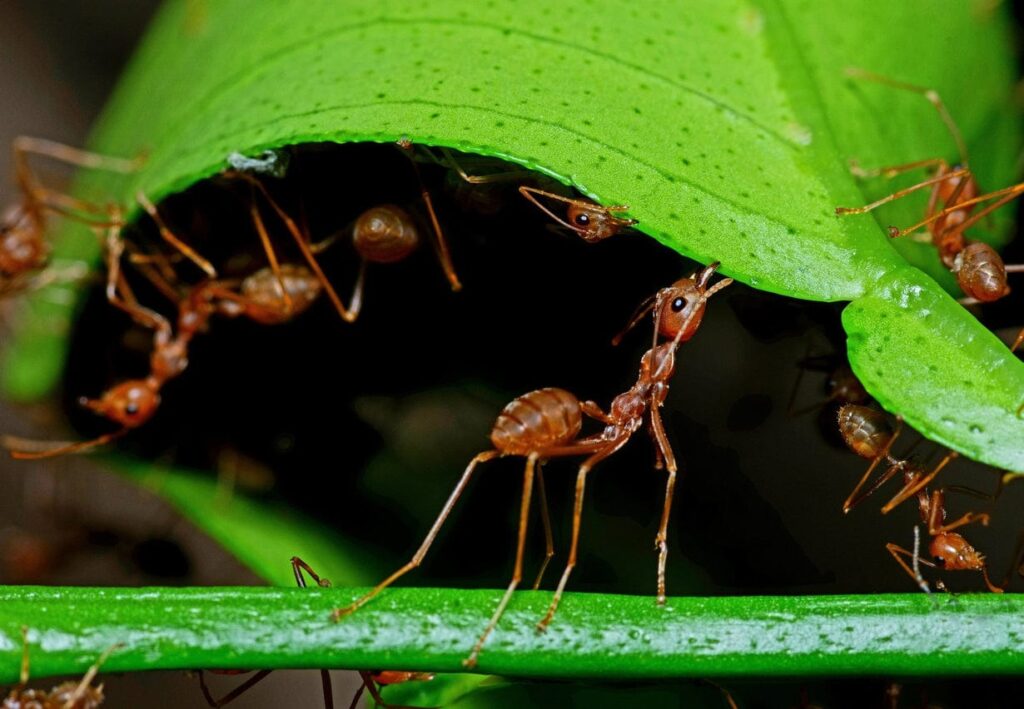
Ants moving fast → rain incoming
5. Ask Better Questions (Critical Thinking Layer) Every observation should trigger questions:
Why is this here?
What changed?
What caused this?
What will happen next?
👉 Observation becomes scientific thinking
For any natural event:
What is happening?Where exactly?When (time, season)?Who is involved (species)?Why might it happen?How does it work?
This converts casual observation into deep analysis .
7. Start Nature Journaling What to record:
Date & time
Weather
What you saw/heard
Sketches (important!)
Benefits:
Improves memory
Builds long-term understanding
Forces deeper observation
8. Slow Down (Most Important Rule) Modern brain = fast scrolling
Practice:
Walk slower than normal
Pause frequently
Focus on one small area
👉 Slowness = clarity
9. Learn Basic Ecology & Biology Observation improves when you understand context.
Key topics:
Ecosystems
Food chains
Plant types
Animal behavior
Without knowledge → you see
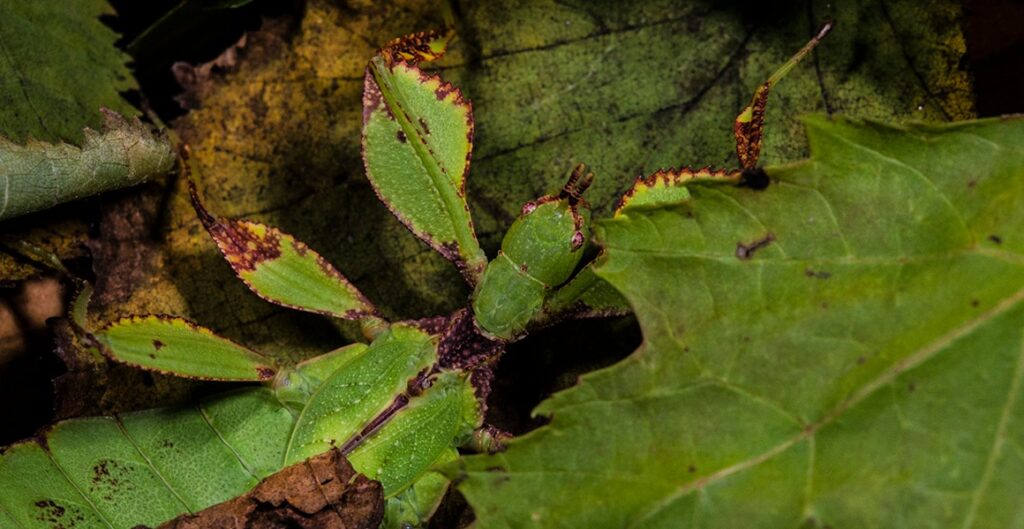
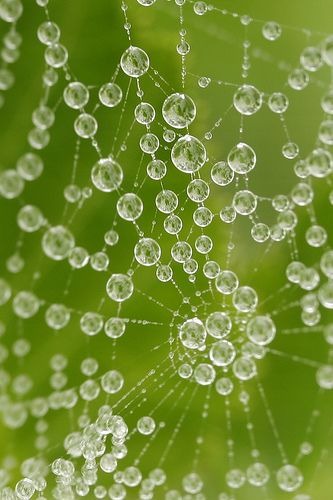
10. Practice “Micro Observation” Focus on small details:
Insects
Moss
Water droplets
Soil patterns
👉 Small scale = deeper complexity
11. Remove Distractions
No phone during observation
No music
No multitasking
Your brain needs full attention bandwidth
12. Build Consistency (Skill Growth Formula) Observation skill grows like this:
Repetition + Attention + Reflection = Mastery
Daily 10–20 minutes > occasional long trips
13. Advanced Techniques (For Deep Learners)
Tracking : Identify animal footprintsBird Language : Decode alarm callsSeasonal Mapping : Track changes across monthsShadow Study : Understand sun movement
14. Common Mistakes to Avoid
Rushing
Looking without thinking
Ignoring small details
Not revisiting the same place
Depending only on photos
Final Insight Observation is a trainable intelligence , not a talent.
At beginner level → you see things
Simple Daily Practice Plan
10 min sit spot
5 min listening
5 min journaling
Do this for 30 days → your perception will change permanently.
Reader: 133