Physical Address
304 North Cardinal St.
Dorchester Center, MA 02124
Physical Address
304 North Cardinal St.
Dorchester Center, MA 02124

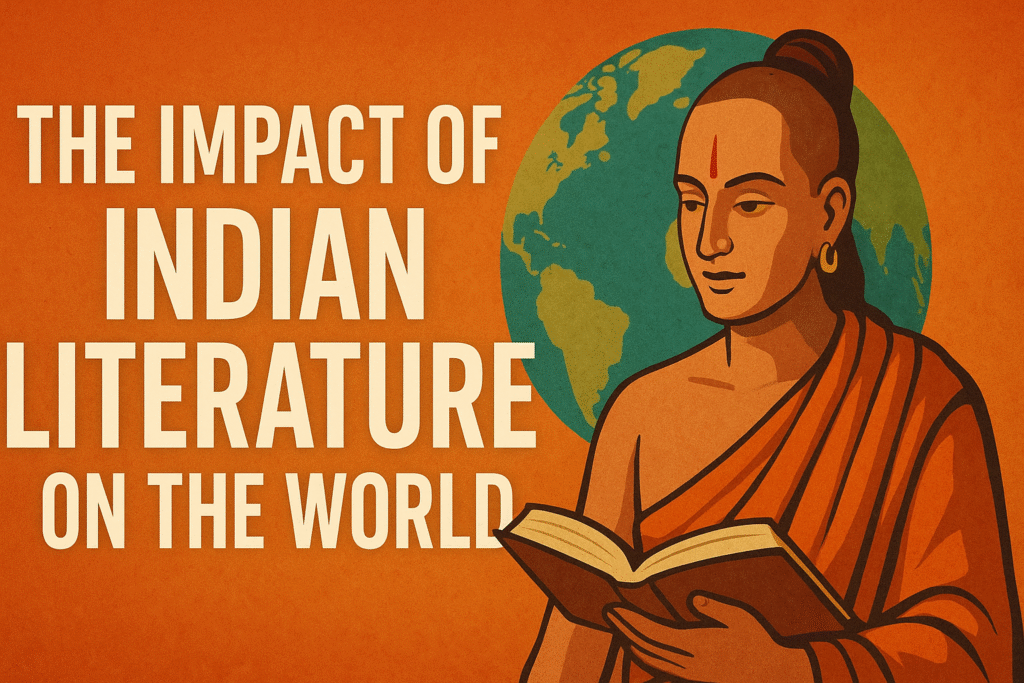
Indian literature is one of the richest and most diverse literary traditions in the world. From ancient epics and mythologies to modern poetry and prose, Indian literature has had a profound impact on world literature and continues to influence contemporary writers and readers around the world. In this article, we will explore the impact of Indian literature on the world.
Indian literature can be traced back to the ancient Vedic texts, which were composed in Sanskrit between 1500 BCE and 500 BCE. These texts include the Rigveda, Yajurveda, Samaveda, and Atharvaveda, and are considered to be the oldest religious scriptures in the world. They contain hymns, prayers, and rituals that were recited by priests during Vedic ceremonies.
One of the most famous works of Indian literature is the epic poem, the Mahabharata, which was composed between 400 BCE and 400 CE. The Mahabharata tells the story of a dynastic struggle between two branches of a royal family and is notable for its philosophical and ethical themes. The Bhagavad Gita, a section of the Mahabharata, is considered to be one of the most important religious texts in Hinduism and has had a significant impact on Indian and world literature.
Another famous Indian epic is the Ramayana, which was composed between 400 BCE and 200 CE. The Ramayana tells the story of the prince Rama and his quest to rescue his wife Sita from the demon king Ravana. The Ramayana has had a profound impact on Indian literature and culture, and its themes of duty, loyalty, and righteousness continue to resonate with readers around the world.
Indian literature has continued to evolve and thrive over the centuries. In the 19th and 20th centuries, Indian writers began to experiment with new literary forms and styles. One of the most important figures in modern Indian literature is Rabindranath Tagore, who was the first non-European to win the Nobel Prize in Literature in 1913. Tagore’s works, such as Gitanjali, explore themes of spirituality, love, and social justice, and have had a significant impact on Indian and world literature.
Another important figure in modern Indian literature is R.K. Narayan, whose novels and short stories capture the everyday life of small-town India in a humorous and compassionate way. Narayan’s works, such as Swami and Friends and The Guide, have been translated into many languages and have introduced readers around the world to the complexities and contradictions of Indian society.
In recent years, Indian literature has continued to flourish and expand. Writers such as Arundhati Roy, Salman Rushdie, and Jhumpa Lahiri have gained international recognition for their works, which explore themes of identity, migration, and globalization. Roy’s The God of Small Things won the Booker Prize in 1997 and introduced readers around the world to the complex social and political realities of contemporary India.
Rushdie’s Midnight’s Children, which won the Booker Prize in 1981, is a postcolonial novel that explores the history of India and the legacy of British colonialism. The novel has been highly influential in postcolonial studies and has helped to shape the way that readers and scholars think about the relationship between colonialism and literature.
Lahiri’s Interpreter of Maladies, which won the Pulitzer Prize in 2000, is a collection of short stories that explore the lives of Indian immigrants in the United States. Lahiri’s works have been highly influential in the field of diaspora studies and have helped to shape the way that readers and scholars think about the experiences of immigrants and the complexities of cultural identity.
Indian literature has also played a significant role in shaping the literary world. Many Indian writers have received international recognition and acclaim for their works, which have been translated into various languages and have been widely read across the globe.
One of the most prominent Indian authors is Rabindranath Tagore, who was the first non-European to win the Nobel Prize in Literature in 1913. His works, including novels, poetry, and plays, reflect the complexity and richness of Indian culture and have been translated into numerous languages.
Another well-known Indian writer is Salman Rushdie, who won the Booker Prize in 1981 for his novel “Midnight’s Children.” The novel explores India’s history and politics through the lives of its characters and has been hailed as a masterpiece of contemporary literature.
Arundhati Roy is another Indian author who has gained international recognition. Her debut novel, “The God of Small Things,” won the Booker Prize in 1997 and has been translated into more than 40 languages. The novel explores issues of caste, class, and gender in India and has been praised for its lyrical prose and vivid imagery.
Other notable Indian writers include Vikram Seth, Amitav Ghosh, Jhumpa Lahiri, and Aravind Adiga, among others. Their works have been translated into numerous languages and have received critical acclaim worldwide.
Indian literature has also influenced the global literary scene through its themes and motifs. Many Indian writers have explored themes such as identity, culture, and tradition, which have resonated with readers around the world. Indian literature has also been known for its rich symbolism, allegory, and metaphor, which have been adopted by writers from various cultures.
Moreover, Indian literature has been a source of inspiration for many writers around the world. For instance, the American author J.D. Salinger was greatly influenced by the teachings of the Hindu scripture Bhagavad Gita, which is considered one of the most important works of Indian literature. The Bhagavad Gita has also inspired writers such as Herman Hesse and Aldous Huxley, among others.
Indian literature has had a profound impact on the global literary scene. Its themes, motifs, and literary devices have influenced writers from various cultures, while Indian writers themselves have gained international recognition and acclaim for their works. Indian literature is a testament to the richness and complexity of Indian culture and has contributed to the cultural exchange between India and the world.