Physical Address
Mumbai, Maharashtra - 400037
Physical Address
Mumbai, Maharashtra - 400037

For centuries, education has followed a largely standardized model: one teacher, one curriculum, and one pace for an entire classroom. While this system has produced remarkable outcomes, it has also left many learners behind—those who learn faster, slower, differently, or outside traditional academic norms.
Artificial Intelligence (AI) is changing this equation fundamentally.
AI is not merely a digital tool added to classrooms; it represents a systemic shift in how knowledge is delivered, consumed, measured, and improved. By enabling real-time adaptation, continuous feedback, and individualized learning paths, AI has the potential to transform education from a mass system into a deeply personalized learning experience.
This article explores how AI will revolutionize education, what personalized learning truly means in the AI era, and why this shift may be the most important educational transformation since the invention of the printing press.
Before understanding how AI improves education, it is essential to recognize the limitations of the current system.
Traditional classrooms are designed around averages:
In reality, learners are not average. Each student has unique:
As a result, some students feel bored, others overwhelmed, and many disengaged.
Most assessments are periodic—exams, tests, or assignments spaced weeks or months apart. This creates delayed feedback, making it difficult for learners to correct mistakes in real time and for teachers to intervene early.
Educators are expected to:
This workload limits the time teachers can dedicate to individualized attention, even when they want to.
AI introduces capabilities that human-only systems cannot scale effectively.
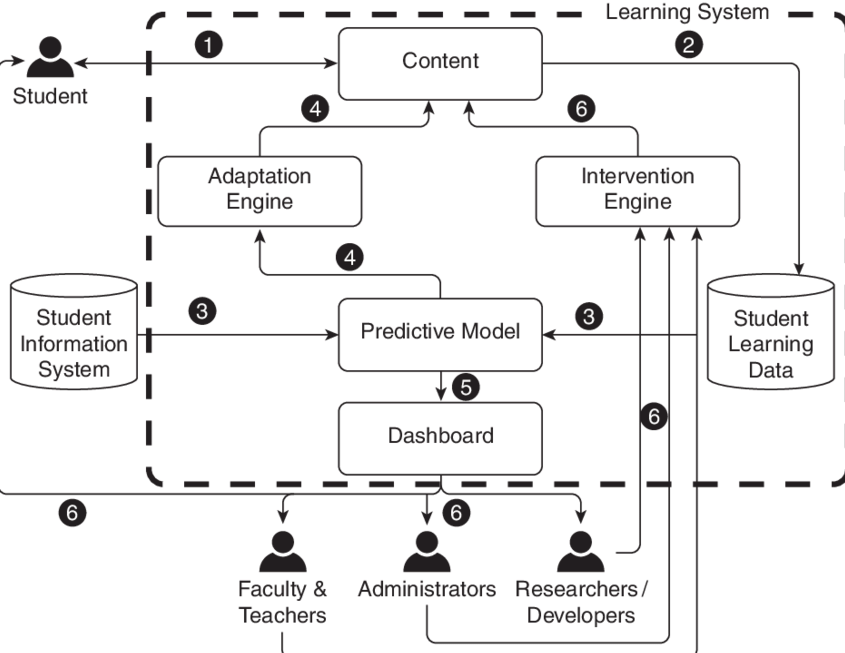
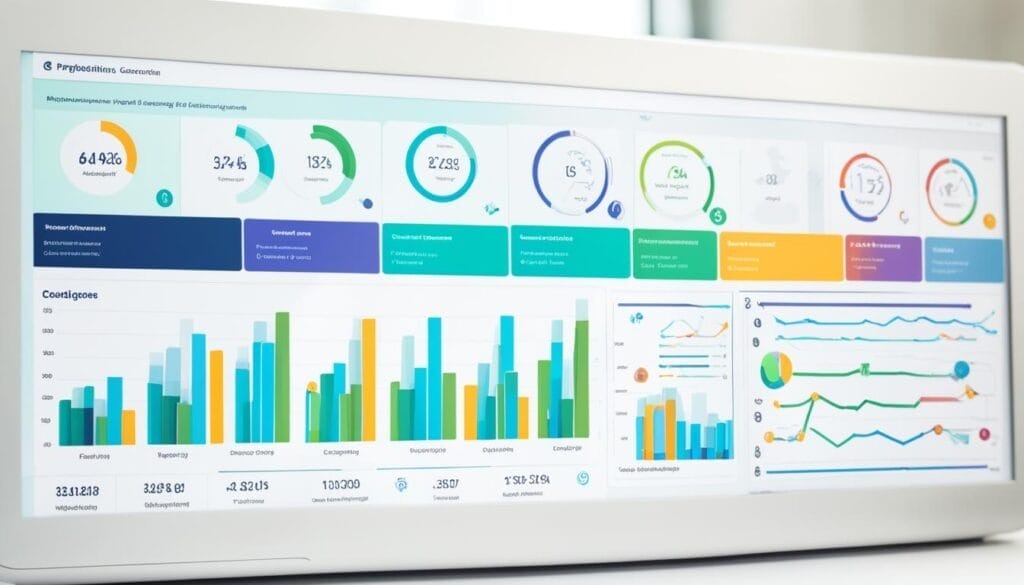
AI systems can:
This enables continuous assessment, not just end-point evaluation.
AI does not guess—it calculates.
By analyzing large volumes of learner data, AI can:
Learning becomes dynamic, not linear.
Personalized learning is often misunderstood as “learning alone with a computer.” In reality, AI-powered personalization enhances both autonomy and human connection.
Instead of forcing all learners through the same sequence, AI enables:
A student struggling with algebra may receive visual explanations, real-world analogies, or step-by-step scaffolding—automatically.
AI systems can identify:
This allows content to be presented in formats that align with how a learner naturally processes information.
AI can adapt:
Learning becomes more relevant, increasing engagement and retention.
A common fear is that AI will replace teachers. In reality, AI is far more powerful as an assistant.
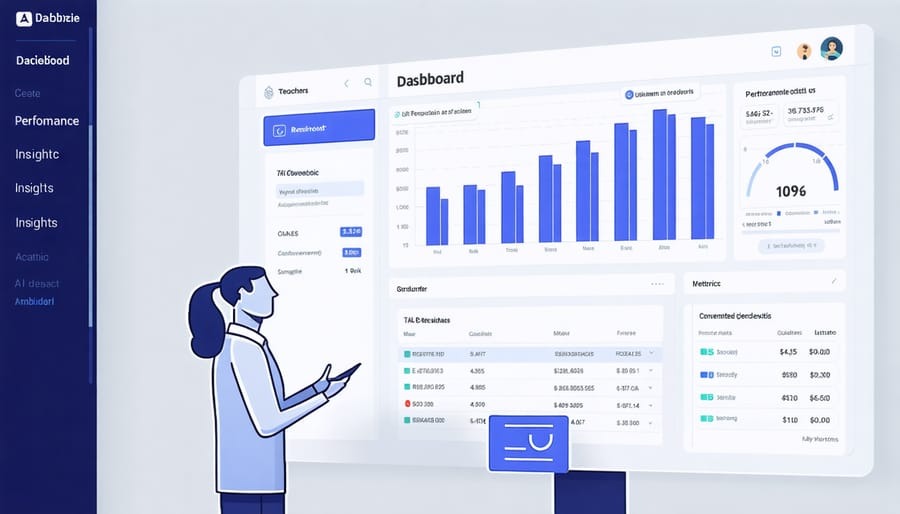
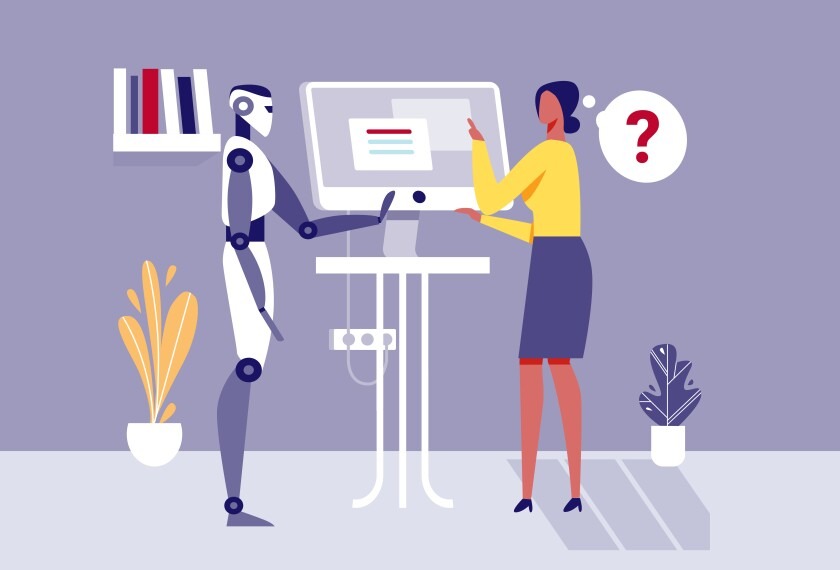
AI can automate:
This frees teachers to focus on mentoring, creativity, and emotional support.
AI provides teachers with:
Teachers gain visibility into learning processes, not just outcomes.
Empathy, ethics, inspiration, and social development cannot be automated. AI handles scale and data; teachers handle humanity.
Assessment is one of the most disrupted areas in AI-enabled education.
Instead of high-stakes exams, AI supports:
Students move forward when they understand—not when the calendar says so.
AI can provide:
This accelerates learning and reduces frustration.
The future of education is not confined to schools and universities.
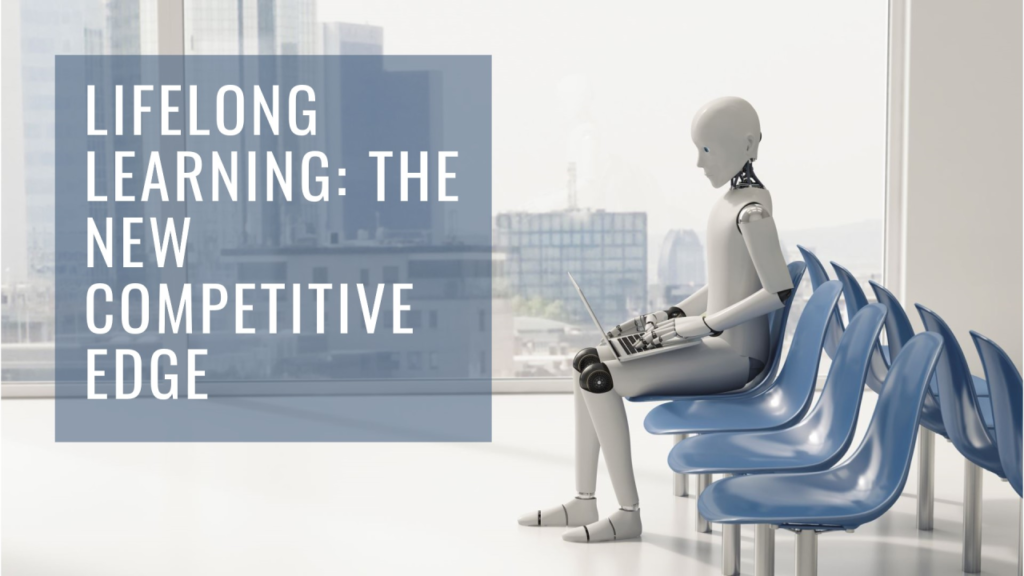
As industries evolve, AI enables:
Education becomes a lifelong companion, not a one-time phase.
AI systems can track:
This shifts emphasis from credentials to capabilities.
With great power comes responsibility.
Student data is deeply sensitive. AI systems must ensure:
Trust is foundational to adoption.
If AI models are trained on biased data, inequalities may be reinforced. Ethical design, auditing, and human oversight are non-negotiable.
Access to AI-powered education must be inclusive. Without equitable access, technology could widen gaps instead of closing them.
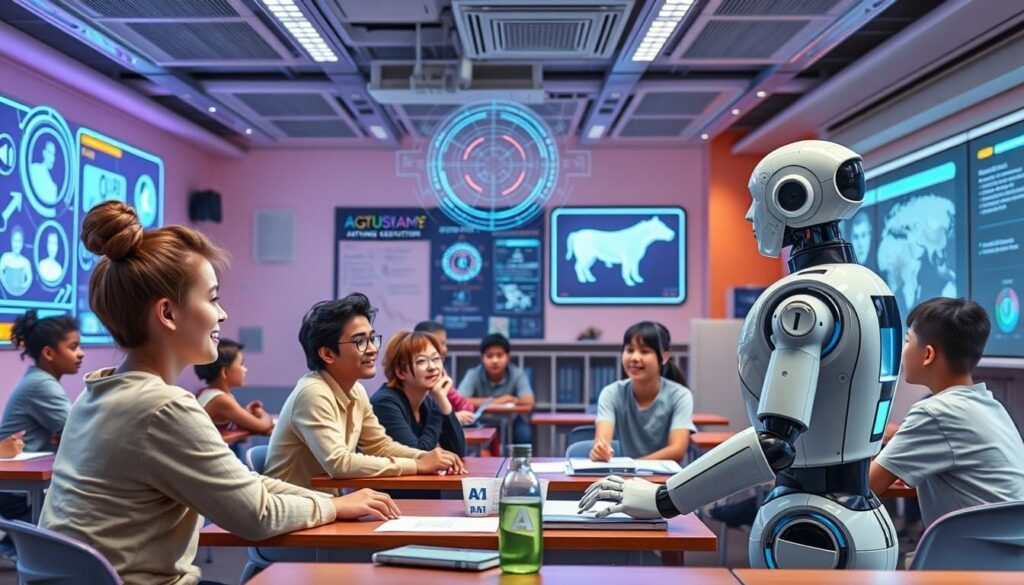
The most effective educational model will be a human-AI partnership:
Education becomes adaptive, inclusive, and future-ready.
AI will not merely improve education—it will redefine it.
By enabling personalized learning at scale, AI transforms education from a standardized pipeline into a living, responsive ecosystem. Each learner’s journey becomes unique, supported by data, guided by educators, and aligned with real-world needs.
The question is no longer whether AI will revolutionize education—but how responsibly, ethically, and inclusively we choose to implement it.
The future of learning is personal, intelligent, and human-centered—and AI is the catalyst making it possible.