Physical Address
Mumbai, Maharashtra - 400037

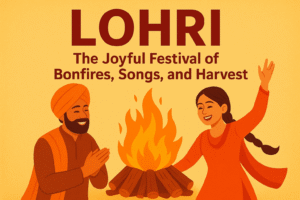
Lohri is one of the most vibrant and heartwarming festivals of North India, especially celebrated with great enthusiasm in Punjab and Haryana. It marks the end of winter and the arrival of longer, sunnier days following the winter solstice.
As bonfires light up the cold January nights and the rhythmic beats of the dhol echo through the air, Lohri brings families and communities together to celebrate joy, warmth, and gratitude. It’s a festival that symbolizes not only the changing of seasons but also the spirit of togetherness that defines Punjabi culture.
Lohri is a traditional Punjabi harvest festival, celebrated every year on January 13th. It marks the passing of the winter solstice and the harvesting of Rabi crops, particularly sugarcane and wheat.
For generations, Lohri has been a way for farmers to express their gratitude to nature and the Sun God for a good harvest. The festival also holds deep cultural meaning, reminding people to celebrate hard work, abundance, and the blessings of nature that sustain life.

Lohri carries immense cultural importance in Punjabi households. It’s not just about festivities — it’s about thanksgiving and community bonding.
For farmers, Lohri marks the end of the sowing season and the beginning of a prosperous harvest. The festival is also considered auspicious for newlyweds and newborns, often celebrated with special songs, gifts, and family gatherings.
Beyond Punjab, Lohri is now embraced across India and even globally, symbolizing hope, renewal, and gratitude for the blessings of nature.
Lohri is filled with colorful customs, cheerful songs, and delicious traditional foods that add warmth to the winter air.
The bonfire is the centerpiece of the celebration. Families and friends gather around it, offering sesame seeds (til), jaggery (gur), popcorn, and peanuts to the flames as a symbol of thanks to the gods. These offerings represent prayers for prosperity and happiness.
Lohri nights are incomplete without the energetic beats of bhangra and giddha. People sing traditional Punjabi folk songs like “Sundar Mundriye ho!” while dancing joyfully around the fire. The music and rhythm fill the night with enthusiasm and unity.
Winter delicacies like makki di roti and sarson da saag are enjoyed along with sweets made of jaggery and sesame seeds. Popcorn, peanuts, and rewri are shared among family and friends, spreading sweetness and warmth.
Lohri is also a time to exchange sweets, gifts, and blessings. Families visit each other, share festive meals, and strengthen the bonds of love and friendship.
Lohri carries a deep symbolic meaning — it represents the triumph of warmth over cold, light over darkness, and hope over despair.
The bonfire signifies the Sun’s energy and power, welcoming the return of longer days and positive energy. For many, it’s a moment to let go of past struggles and embrace new beginnings with optimism and gratitude.
Lohri teaches us the timeless value of community, thankfulness, and celebrating life’s simple joys.
While Lohri has its roots in rural Punjab, today it’s celebrated across India and even around the world wherever Punjabi communities live.
In cities, people organize Lohri parties, light eco-friendly bonfires, and enjoy festive songs and dances with family and friends. Schools and offices also celebrate Lohri with cultural programs, sharing sweets and promoting unity.
Even in international Punjabi communities — from Canada to the UK — Lohri is celebrated with the same warmth and enthusiasm, keeping the rich traditions alive for the next generation.
Lohri is much more than a festival of bonfires and food — it’s a celebration of life, gratitude, and togetherness. The dancing flames, joyful songs, and laughter-filled gatherings remind us to stay hopeful, generous, and thankful for all that we have.
🔥 May this Lohri bring warmth, happiness, and prosperity to your home and heart!
1. When is Lohri celebrated?
Lohri is celebrated every year on January 13th, marking the end of winter and the beginning of longer, warmer days.
2. What foods are traditionally eaten on Lohri?
People enjoy popcorn, peanuts, sesame sweets, jaggery, and hearty Punjabi dishes like makki di roti and sarson da saag.
3. Why do people light bonfires on Lohri?
The bonfire represents the Sun’s warmth and energy, symbolizing hope, abundance, and the victory of light over darkness.
✨ Light a safe, eco-friendly bonfire in your backyard or terrace.
🍲 Prepare delicious Punjabi dishes like makki di roti and sarson da saag.
🎵 Play folk songs and dance to the beats of bhangra and giddha.
💖 Share sweets, donate food, or help those in need to spread the true spirit of Lohri.