Physical Address
Mumbai, Maharashtra - 400037

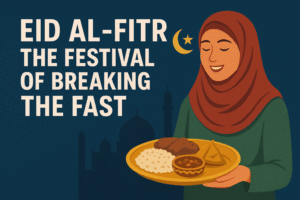
Eid al-Fitr, also known as the Festival of Breaking the Fast, is one of the most important and joyous celebrations in Islam. It marks the end of Ramadan, the holy month of fasting, prayer, and self-reflection. Observed by Muslims around the world, Eid al-Fitr is a time of gratitude, unity, and generosity.
The festival falls on the first day of the Islamic month of Shawwal, immediately after the crescent moon is sighted. It is a day filled with happiness, as families come together to pray, share delicious meals, exchange gifts, and express thankfulness for the blessings received during Ramadan.
The term Eid al-Fitr literally means “Festival of Breaking the Fast”, symbolizing the completion of the month-long fast of Ramadan. Fasting (sawm) is one of the Five Pillars of Islam, representing self-control, devotion, and compassion for the less fortunate.
According to Islamic tradition, Eid al-Fitr was first celebrated by Prophet Muhammad (peace be upon him) after the completion of the first Ramadan in Medina. It became a day of joy, charity, and worship — reminding believers to express gratitude to Allah for providing strength and guidance throughout the fasting period.
While Ramadan is a time of spiritual discipline, Eid al-Fitr marks a renewal — a moment to rejoice, forgive, and reconnect with loved ones while continuing to embody the values learned during Ramadan.
As the month of Ramadan draws to a close, the excitement for Eid begins to fill the air. In the final days, people increase their prayers, recitations of the Quran, and charitable acts.
A vital tradition before Eid is Zakat al-Fitr, a special charity given to those in need so that everyone can join in the celebrations. This act of giving ensures that no one is left hungry or neglected on this special day.
Homes are thoroughly cleaned and decorated, markets come alive with festive shopping, and people buy new clothes, perfumes, and gifts for the occasion. Delicious sweets like seviyan and sheer khurma are prepared in advance, filling homes with warmth and anticipation.
Eid al-Fitr begins with the morning prayer (Salat al-Eid), performed in mosques or open grounds. Men, women, and children gather in large numbers, dressed in their finest clothes, to offer thanks to Allah for His blessings. The prayer is followed by a sermon (khutbah) that emphasizes unity, kindness, and compassion.
After the prayers, people greet each other with “Eid Mubarak!”, meaning “Blessed Eid,” and embrace friends and family with joy. Visits to relatives, neighbors, and friends are common, and communities come together to share food and happiness.
Throughout the day, acts of kindness and charity continue, ensuring that the spirit of generosity extends beyond the month of fasting.
Food plays a central role in the Eid celebrations. Tables are filled with mouth-watering dishes that bring families together. Popular delicacies include biryani, kebabs, samosas, seviyan (vermicelli pudding), and sheer khurma, a sweet milk dessert made with dates, nuts, and vermicelli.
Children especially look forward to receiving Eidi — money or gifts given by elders as a token of love. People also wear new clothes, often traditional attire, and apply perfumes, symbolizing purity and renewal.
Above all, the festival encourages the act of sharing meals and sweets with others, especially those less fortunate, fostering a sense of community and togetherness.
Eid al-Fitr goes beyond a religious festival; it is a celebration of unity, equality, and gratitude. It strengthens family bonds and reminds people to forgive, share, and live with compassion.
Across India and the world, Eid bridges cultural differences — Muslims and non-Muslims alike often join the festivities, showcasing the spirit of peace and harmony that defines the occasion.
It also serves as a reminder that the values of Ramadan — patience, kindness, and charity — should continue throughout the year, not just during the holy month.
Eid al-Fitr is more than just a festival — it is a celebration of faith, love, and humanity. It teaches the importance of gratitude, generosity, and togetherness. As families and communities unite to celebrate, Eid reminds everyone that the true joy of life lies in sharing happiness, spreading kindness, and giving back to society.
May the light of Eid bring peace, prosperity, and compassion into every heart. Eid Mubarak!