Physical Address
Mumbai, Maharashtra - 400037

India, known for its vibrant culture and artistic heritage, has always expressed emotions, stories, and spirituality through dance. Indian dance forms are not just a means of entertainment — they are a reflection of the nation’s history, philosophy, and devotion. Each movement, gesture, and rhythm holds deep symbolic meaning, connecting the dancer and audience to centuries-old traditions.
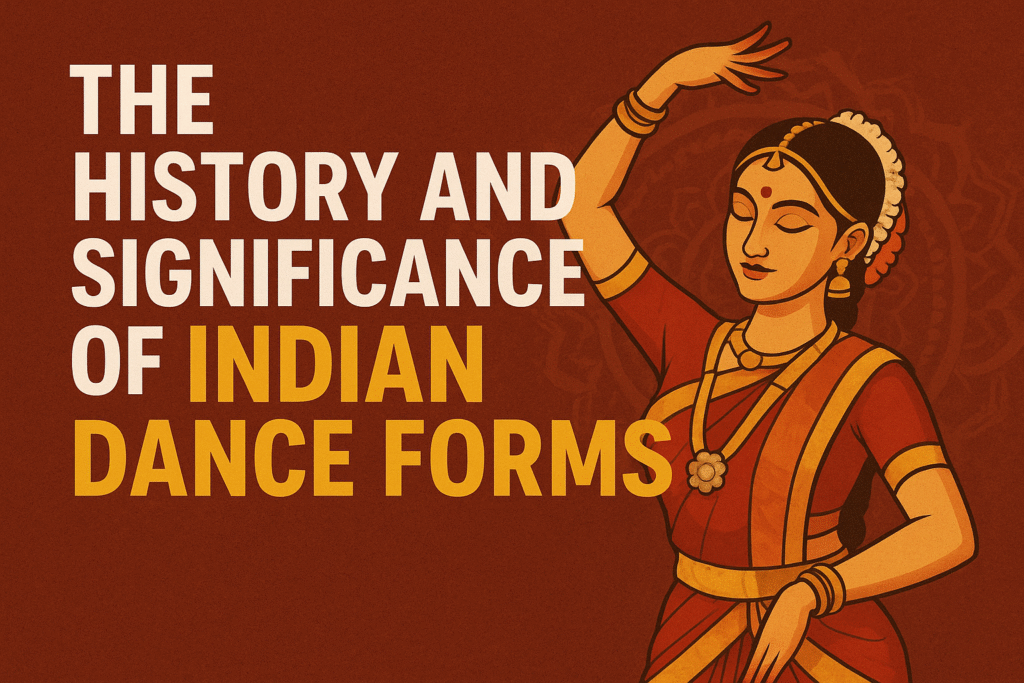
The roots of Indian dance trace back to ancient temples and scriptures. The Natya Shastra, written by sage Bharata Muni over 2,000 years ago, is considered the foundational text on Indian dance, drama, and music. It describes dance as a divine art created by Lord Brahma to offer both moral and aesthetic education to humanity.
In the early ages, dance was performed as a form of worship, narrating stories from Hindu epics like the Ramayana and Mahabharata. Temples across India became the stage for divine performances — sacred expressions meant to please the gods.💃 Classical Dance Forms of India
India officially recognizes eight classical dance forms, each representing a distinct cultural identity, regional history, and devotional significance.
Originating in the temples of South India, Bharatanatyam is one of the oldest classical dances. Characterized by precise footwork, expressive hand gestures (mudras), and emotional storytelling, it portrays themes of devotion and mythology — especially tales of Lord Shiva.
The word Kathak comes from Katha, meaning “story.” Once performed in temples, Kathak evolved into a court dance during the Mughal era, blending Hindu and Persian influences. Its intricate footwork, graceful spins, and expressive eyes make it a captivating narrative art form.
Known for its fluidity and sculptural poses, Odissi is inspired by ancient temple carvings and rituals. The dance celebrates Lord Jagannath and depicts stories of divine love and devotion.
A visually striking dance-drama form, Kathakali combines elaborate costumes, colorful makeup, and powerful expressions. It narrates epic tales from Hindu mythology and is often performed in open-air settings during festivals.
Originally a male dance-drama tradition, Kuchipudi evolved into a graceful classical dance performed by both men and women. It blends expressive storytelling with energetic movements and dramatic flair.
Gentle, lyrical, and deeply spiritual, Manipuri focuses on devotion to Lord Krishna and Radha. The circular movements and elegant costumes give it a serene and dreamlike quality.
Meaning “the dance of the enchantress,” Mohiniyattam is known for its soft, feminine movements and emotive storytelling. It symbolizes grace, beauty, and the power of divine femininity.
Introduced by the saint Srimanta Sankardeva in the 15th century, Sattriya was originally performed by monks in monasteries (Sattras). It combines dance, drama, and devotional music to convey spiritual teachings.
Beyond the classical forms, India’s folk and tribal dances celebrate everyday life, harvests, festivals, and community bonding.
Each region’s folk dance reveals its social values, costumes, and local mythology — uniting people through rhythm and spirit.
Indian dance forms go beyond performance — they are a spiritual journey. Dancers use their body as a medium to express devotion (bhakti) and convey universal emotions (rasa). The rhythm (tala), melody (raga), and movement (abhinaya) come together to create a meditative experience, linking human expression with divine energy.
Dance also plays a key role in preserving India’s cultural identity. Through generations, it has kept alive stories, philosophies, and rituals that define Indian civilization.
Today, Indian dance continues to evolve — blending tradition with innovation. Classical performances grace international stages, while contemporary and fusion styles bring ancient art to modern audiences.
Social media and digital platforms have made these dance forms more accessible, inspiring global appreciation and new interpretations.
The history of Indian dance forms is a testament to India’s enduring creativity and devotion. From temple rituals to global stages, each dance remains a powerful expression of emotion, spirituality, and identity. These art forms are not just performances — they are living traditions that connect the past with the present and continue to inspire future generations.