Physical Address
Mumbai, Maharashtra - 400037

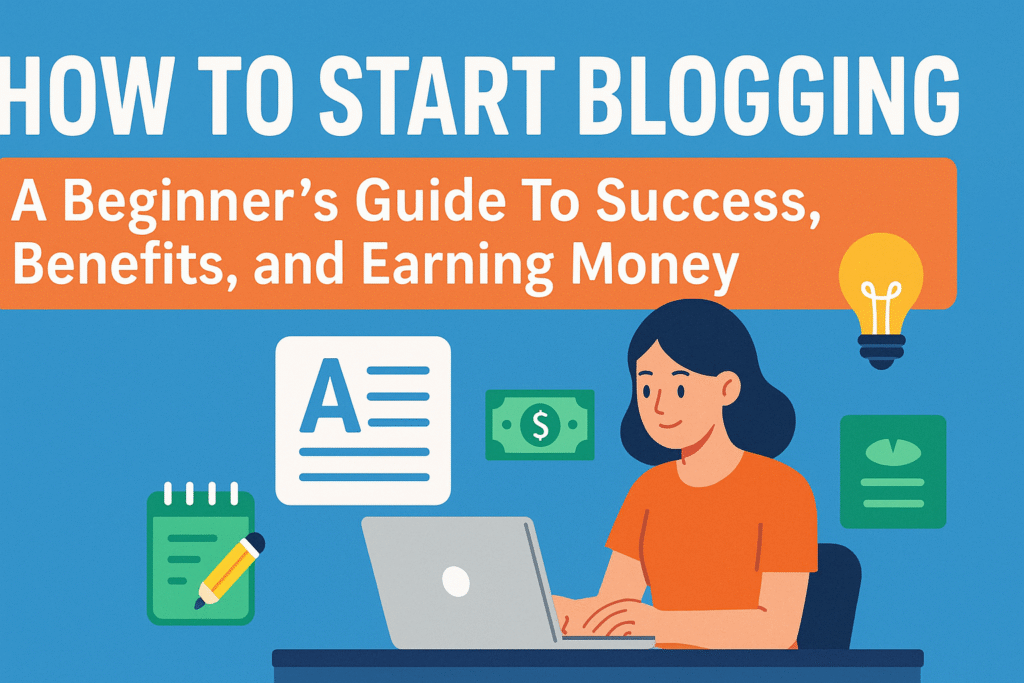
Are you ready to dive into the exciting world of blogging? It’s not just a pastime; it’s a platform for self-expression, knowledge sharing, and even a potential source of income. In this comprehensive beginner’s guide, we’ll walk you through the essential steps to kickstart your blogging journey successfully. Whether you’re passionate about a particular subject or eager to make money online, we’ve got your back.
Before we get into the nitty-gritty, let’s start with the basics. Blogging is essentially the art of creating and maintaining an online journal or website, commonly known as a blog. These digital diaries can cover a vast array of topics, ranging from travel and culinary adventures to cutting-edge technology and personal growth.
You might be wondering why you should venture into the world of blogging. Well, there are plenty of compelling reasons:
1. Sharing Your Passion: Blogging provides an excellent avenue to share your passions and expertise with a global audience. It allows you to connect with like-minded individuals and establish yourself as a knowledgeable figure in your chosen niche.
2. The Earning Potential: Beyond the joy of sharing your insights, blogging can also be a lucrative endeavour. You have the potential to earn income through various monetization methods, turning your hobby into a side hustle or even a full-time gig.
◆ Choosing Your Niche
Your niche is the heart and soul of your blog, the topic or subject matter it revolves around. It’s crucial to pick a niche that genuinely fascinates you and aligns with your expertise. Selecting a niche you’re passionate about will not only make your blogging journey more enjoyable but also more sustainable.
◆ Selecting a Domain Name
Your domain name is your blog’s online address – it’s like your blog’s street sign on the internet highway. It should be catchy, easy to remember, and most importantly, relevant to your niche. Spend some time brainstorming and researching to find the perfect domain name that resonates with your blog’s theme.
◆ Finding a Hosting Provider
To get your blog up and running, you’ll need a hosting provider. Look for a reliable hosting service that offers good server uptime, responsive customer support, and scalability. Your hosting provider is like the foundation of your blog, so choose wisely.
◆ Setting Up Your Blog
Once you have your domain and hosting in place, it’s time to set up your blog. You don’t need to be a coding wizard for this; popular content management systems like WordPress make it user-friendly and straightforward. Design your blog, create your pages, and make it visually appealing.
◆ Writing Compelling Blog Posts
The core of any successful blog lies in its content. Learn how to craft engaging and informative blog posts that resonate with your audience. Consistency is key, so maintain a regular posting schedule to keep your readers coming back for more.
◆ SEO Basics for Bloggers
Understanding the fundamentals of search engine optimization (SEO) is essential. Incorporate relevant keywords, optimize meta descriptions, and focus on on-page SEO techniques to improve your blog’s visibility on search engines.
◆ Crafting Catchy Headlines
Your blog post’s headline is the hook that captures your readers’ attention. Create attention-grabbing headlines that pique curiosity and compel readers to click and explore your content.
◆ Using Visuals Effectively
Visual content, such as images and videos, can enhance your blog posts. Learn how to source and use visuals effectively to complement your written content, making it more engaging and shareable.
◆ Social Media Promotion
Promoting your blog on social media platforms is an effective way to reach a broader audience. Develop a social media strategy to share your content and engage with your followers, creating a community around your blog.
◆ Email Marketing Strategies
Build an email list to connect with your readers directly. Learn email marketing strategies to nurture your subscribers and keep them engaged with your blog.
◆ Guest Blogging
Collaborate with other bloggers in your niche by guest posting on their blogs. Guest blogging can help you tap into new audiences and establish valuable relationships within your blogging community.
◆ Networking in Your Niche
Networking is the secret sauce to blogging success. Attend industry events, join online forums, and connect with fellow bloggers to exchange ideas, gain support, and grow together.
◆ Affiliate Marketing
One of the most common ways to make money blogging is through affiliate marketing. Promote products or services relevant to your niche and earn a commission for each sale or lead generated through your affiliate links.
◆ Display Advertising
Display ads, like Google AdSense, can generate passive income based on the number of ad impressions and clicks on your blog. It’s an effective way to monetize your blog’s traffic.
◆ Selling Digital Products
Consider creating and selling digital products like eBooks, online courses, or templates related to your niche. These products can be a steady source of income for your blog.
◆ Sponsored Content
Collaborate with brands and businesses for sponsored content opportunities. You can earn money by promoting their products or services in your blog posts, provided it aligns with your niche and values.
◆ Analytics and Metrics
Keep a close eye on your blog’s performance using analytics tools. Monitor traffic, engagement, and conversion rates to make informed, data-driven decisions about your blog’s direction.
◆ Adjusting Your Strategy
Blogging is an ever-evolving journey. Be open to adjusting your strategy based on what works best for your audience and your goals. Flexibility and adaptability are key to long-term success.
◆ Overcoming Blogger’s Block
Writer’s block is a common hurdle for bloggers. Learn effective strategies to overcome it and maintain consistency in your content creation.
◆ Time Management
Balancing blogging with other aspects of your life requires effective time management. Create a schedule and prioritise tasks to maintain consistency and avoid burnout.
◆ Copyright and Plagiarism
Respect intellectual property rights. Always attribute sources and avoid using copyrighted material without permission. Plagiarism is a big no-no in the blogging world.
◆ Privacy and Data Protection
Understand and adhere to privacy laws and data protection regulations, especially if you collect user data on your blog. Protect your readers’ privacy and maintain their trust.
Starting a blog is a fulfilling journey that offers personal satisfaction and the potential for financial gain. By following this beginner’s guide, you’ll be well-equipped to embark on your blogging adventure with confidence. Keep in mind that success in blogging takes time and dedication, so stay committed to your goals.
The income potential varies, but many bloggers earn from a few hundred to several thousand dollars per month once they establish their blogs and implement monetization strategies.
While expertise can be an advantage, it’s not mandatory. You can learn and grow your knowledge as you blog, sharing your journey and discoveries with your audience.
Consistency is essential, but the frequency depends on your availability and niche. Start with a manageable schedule, like once a week, and adjust as needed.
Yes, platforms like WordPress.com and Blogger offer free hosting options,making them suitable for beginners. However, investing in a self-hosted blog provides more control and flexibility.
Effective social media promotion involves sharing valuable content, engaging with your audience, using relevant hashtags, and posting at optimal times for your target audience. Experiment and refine your strategy over time.